Winter Pet Care Tips for Canton, GA Pet Owners
Winter Pet Care Tips for Canton, GA Pet Owners
As winter arrives in Canton, GA, many pet owners find themselves worrying about how to keep their dogs and cats healthy, happy, and comfortable during the chilly, damp February weather. Even though Georgia winters are milder than those further north, cold snaps, wet conditions, and shorter daylight hours can still bring a unique set of challenges for our four-legged companions. At Express Vets North Canton, located at 149 Reinhardt College Parkway Suite 6, Canton, GA 30114, our veterinary professionals know just how important it is to adjust your pet’s routine to ensure their wellbeing as the seasons change.
In this blog, we’ll explore common winter challenges for Canton’s pets, how to recognize signs of seasonal discomfort or illness, the reasons behind these issues, and practical tips for keeping your pet safe and healthy all winter long. You’ll also find guidance on indoor activities, pet skin care, and parasite prevention—plus advice on when it’s time to schedule an appointment with our experienced veterinary team. Whether you live in Canton or the surrounding communities, our goal is to help you and your pet thrive during the coldest months of the year.
Recognizing Winter Health Concerns in Canton Pets
Canton’s winter weather often means cold rain, muddy yards, and fewer hours of sunlight—factors that can all impact your pet’s health and behavior. Dogs and cats may become less active, develop skin or coat problems, or even show signs of seasonal illness. Recognizing these changes early is key to maintaining your pet’s wellbeing.
Some of the most common symptoms that may indicate your pet is struggling with winter conditions include dry or itchy skin, flaking, paw irritation from salted sidewalks or cold, reluctance to go outside, changes in appetite, lethargy, or persistent sneezing and coughing. Cats might hide more, while dogs may show signs of stiffness or limping, especially if they have arthritis. Additionally, pets with thick coats may develop matting or hot spots if not properly groomed, while short-haired or elderly animals may shiver or seek warmth more frequently.
If you observe your pet scratching, licking their paws excessively, sneezing, or showing any sign of discomfort, it’s important to consider how winter weather may be affecting them. Sometimes, subtle shifts in your pet’s routine, like drinking less water or being less interested in play, are early clues that something isn’t right.
Why Winter Weather Affects Dogs and Cats in North Georgia
While Canton doesn’t experience severe blizzards, our region’s winter climate still brings enough cold, wet, and dampness to impact pets—especially those who spend time outdoors. Fluctuating temperatures, chilly winds, and the frequent rain can all contribute to skin dryness, joint stiffness, or increased risk of illness.
For dogs and cats, the combination of indoor heating and dry air can strip natural oils from their skin and coat, resulting in itching, dandruff, or even cracked paw pads. Outdoor walks during cold snaps expose paws to harsh surfaces and, occasionally, chemical de-icers or road salt, which can irritate or even burn sensitive pads. Older pets or those with existing health problems, such as arthritis or heart conditions, often feel colder and may have more difficulty staying active.
Shorter days mean less time outside, which can lead to boredom, weight gain, or behavioral changes. And while many pet owners associate fleas, ticks, and mosquitoes with warm weather, the reality is that parasite risks persist year-round in Georgia’s relatively mild climate. This is why parasite prevention and control remains crucial, even in the winter months.
Professional Veterinary Care for Winter Issues
At Express Vets North Canton, our veterinary professionals offer a range of services to help pets stay healthy throughout the winter season. If your pet is showing signs of skin discomfort, such as persistent itching, redness, or hair loss, our veterinary dermatology services can help diagnose and treat a variety of conditions, from dry skin to more serious dermatological concerns.
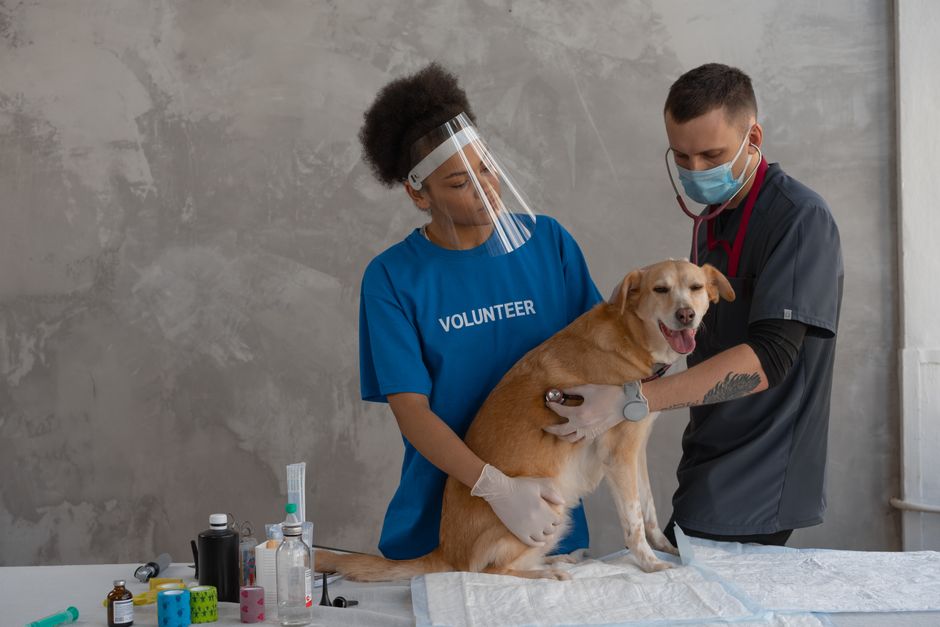
For pets that seem lethargic, are limping, or have changes in appetite, a primary care appointment allows our veterinarians to perform a thorough examination, check for underlying health conditions, and recommend appropriate treatment plans. Our team also encourages regular wellness examinations to catch seasonal and chronic health issues early, especially for senior pets or those with ongoing medical needs.
Vaccination remains important during the winter months, as respiratory illnesses can circulate more easily when pets are spending time indoors or in close contact with other animals. If your pet is due for pet immunizations, our veterinary team will develop a personalized vaccination plan to keep them protected year-round.
Should your pet fall ill during the winter, whether from a respiratory infection, gastrointestinal upset, or other concerns, our sick visit appointments provide prompt diagnostics and compassionate care. We strive to keep pets comfortable and owners informed, no matter what the season brings.
Winter Wellness at Home: Tips for Pet Owners
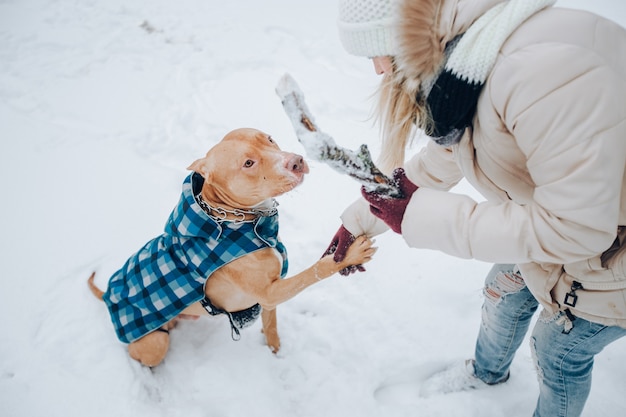
Helping your pet thrive during Canton’s winter months involves a few seasonal adjustments. When it comes to outdoor activity, aim for shorter, more frequent walks during milder parts of the day. If your dog or cat resists going outside in the cold, provide opportunities for exercise and mental stimulation indoors. This might include interactive toys, food puzzles, or supervised play sessions in a warm, safe area of your home.
Grooming is especially important during winter. Regular brushing prevents matting, distributes natural oils, and allows you to spot any skin concerns early. After walks, always wipe your pet’s paws to remove mud, salt, or other irritants, and check for cracks or redness. For pets with sensitive skin, ask your veterinarian about moisturizing shampoos or conditioners designed for dogs and cats.
To support healthy skin and coat, consider the role of nutrition. Some pets benefit from specialty diets formulated for skin health, so discuss dietary options with your veterinary team if you notice persistent dryness or itching. Keeping fresh water available at all times is crucial, as heated indoor air can increase the risk of dehydration.
Parasite prevention is a year-round responsibility. Fleas, ticks, and heartworms do not disappear in winter, especially in Georgia’s climate. Make sure your pet remains on a veterinarian-approved preventive medication, and talk to our team about the best choices for your pet’s lifestyle.
Finally, create a cozy winter environment. Offer warm bedding away from drafts, limit time outdoors during cold snaps, and provide plenty of affection. For pets that are elderly or have chronic health conditions, extra care with joint support and comfortable sleeping areas can make a significant difference.
When to Schedule a Veterinary Visit
Certain winter symptoms should prompt you to contact your veterinarian promptly. If your dog or cat is shivering uncontrollably, refusing food for more than a day, struggling to breathe, coughing persistently, or develops open sores or severe skin irritation, these are clear signals that professional care is needed. Sudden limping, difficulty rising, or any signs of pain also warrant evaluation, particularly if your pet has arthritis or is a senior.
If you notice changes in your pet’s behavior, such as hiding, vocalizing, or avoiding normal activities, don’t hesitate to reach out. Many winter-related issues are manageable when caught early, and our veterinary professionals are here to support you with expert advice and compassionate care. Even if you’re unsure whether a symptom is serious, scheduling a wellness examination can provide peace of mind and help keep your pet healthy.
It’s always wise to stay proactive about routine care. Keeping up with vaccinations, parasite prevention, and regular checkups is the best way to guard against seasonal health problems. And for new or worsening concerns, our primary care and sick visit services are designed to provide timely, thorough support for your pet.
Keeping Your Pet Comfortable All Winter: Takeaways and Next Steps
Winter in Canton, GA, may not bring heavy snow, but it still poses unique challenges for pets and their families. By watching for early signs of discomfort, understanding the reasons behind winter health issues, and taking preventive steps at home, you can help your dog or cat stay comfortable and happy all season long. Remember, professional veterinary care is always your best resource for addressing concerns about your pet’s health, from skin conditions to behavioral changes and everything in between.
If you’re looking for a “vet near me” who truly understands the needs of pets in Canton and surrounding communities, Express Vets North Canton is here for you. Our experienced veterinarians offer a full range of services, from wellness examinations to dermatology care and parasite prevention, all in a welcoming, supportive environment.
To schedule an appointment or discuss your pet’s winter health needs, call us at (678) 493-5288 or visit our convenient location at 149 Reinhardt College Parkway Suite 6, Canton, GA 30114. At Express Vets North Canton, we’re committed to helping your pets enjoy a safe, healthy winter and every season beyond.
This article is intended for informational purposes only and should not be used as a substitute for professional veterinary advice. If you have concerns about your pet’s health or behavior, please consult with your veterinarian directly.