Spring Allergies in Pets: Signs Canton Owners Should Know

Spring Allergies in Pets: Signs Canton Owners Should Know
As the days grow longer and the flowers begin to bloom in Canton, GA, many pet owners find themselves enjoying the outdoors with their dogs and cats. However, springtime in North Georgia also brings a surge in pollen and other environmental allergens that can leave our furry family members feeling less than their best. If your pet has started to itch, sneeze, or seem uncomfortable this March, you are certainly not alone. Spring allergies are a common cause of seasonal discomfort for both dogs and cats, and recognizing the signs early can make a world of difference in your pet’s health and happiness.
At Express Vets North Canton, our experienced veterinary team regularly helps local families manage the unique allergy challenges of the region. In this guide, we will explain how to spot the most common symptoms of spring allergies in pets, what causes these reactions, and how to help your companion feel comfortable again. We will also share practical advice on prevention, home care, and when it is time to schedule an appointment with our veterinarians at 149 Reinhardt College Parkway Suite 6, Canton, GA 30114. For those seeking more information about skin issues and allergy support, our dermatology services are designed to keep your pet feeling their best all year long.
Recognizing Spring Allergy Symptoms in Dogs and Cats
Spring allergies often present differently in pets compared to humans. While people may experience watery eyes, sneezing, and runny noses, dogs and cats are more likely to develop skin issues or respiratory discomfort. Key symptoms include frequent scratching or licking, redness or irritation of the skin, and the appearance of hot spots or hair loss. Additionally, you might notice your dog shaking their head or developing ear infections more often, while cats may begin to over-groom, leaving patches of thin fur.
Other signs to watch for are watery eyes, sneezing, or a mild cough, especially after spending time outdoors. Some pets develop inflamed paws or chew at their feet, indicating that allergens may be affecting them after walks or playtime in grassy areas. It is not unusual for allergic pets to seem restless or less interested in their normal activities due to persistent discomfort. If you notice these symptoms, especially if they persist beyond a few days or worsen, it is wise to reach out for veterinary guidance.
Why Do Pets Develop Spring Allergies?
Like people, pets can be sensitive to a wide range of environmental factors, and spring is a particularly challenging time due to the high levels of pollen in the air. Trees, grasses, and flowering plants all release pollen particles that can trigger immune system reactions in susceptible animals. In addition to pollen, mold spores and dust mites become more prevalent as the weather warms and humidity rises in Canton and surrounding communities.
Some pets have a genetic predisposition to develop allergies, known as atopy, which makes their immune systems more reactive to common substances in the environment. Dogs and cats with a history of skin issues or allergies are more likely to experience flare-ups during spring. Age, breed, and overall health also play a role in how severely a pet may be affected. For example, certain breeds such as retrievers, terriers, and bulldogs are commonly seen in our clinic for allergy-related concerns.
Environmental allergies can also be complicated by other issues such as flea bites or food sensitivities. While spring brings an increase in airborne allergens, it is important to remember that every pet’s experience is unique, and sometimes multiple factors may be contributing to their symptoms. If you are unsure whether your pet’s signs are due to allergies or another medical issue, our comprehensive pet exam can help pinpoint the cause.
How Are Spring Allergies Treated by Veterinarians?
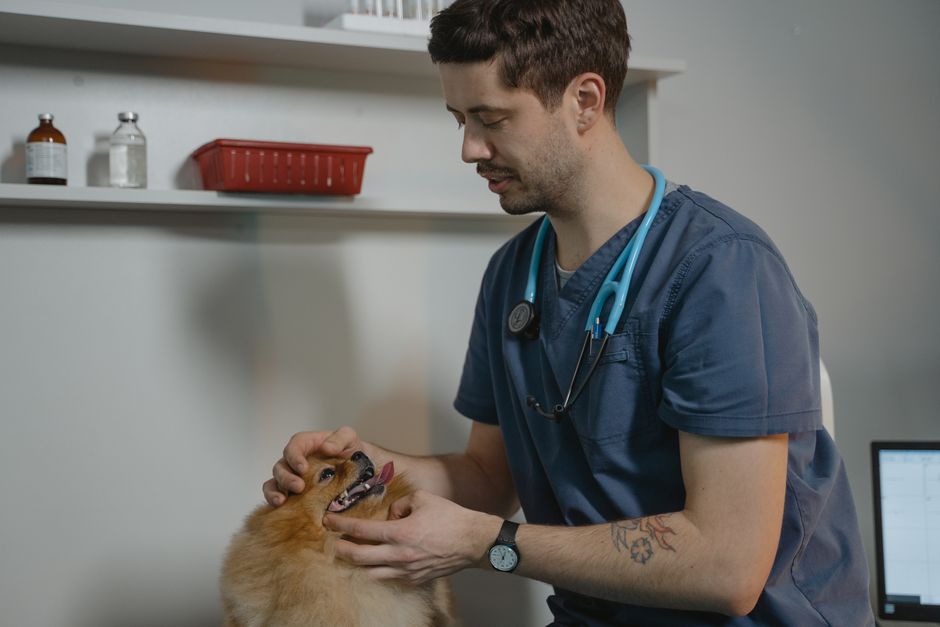
Managing spring allergies in pets typically involves a combination of symptom relief and preventive strategies tailored to each animal’s needs. When you bring your pet to Express Vets North Canton for an allergy evaluation, our veterinarians will start with a thorough history and physical examination, focusing on the skin, ears, and any areas of irritation. Diagnostic tests, such as skin scrapings or laboratory analysis, may be recommended to rule out other causes like infections or parasites.
Treatment approaches involve medications to control itching and inflammation, which may include antihistamines, prescription allergy medications, or topical therapies to soothe irritated skin. For pets with secondary infections, antibiotics or antifungal treatments might be prescribed. If ear infections are present, specialized ear cleaners or medications can offer targeted relief.
Our dermatology services provide advanced care for pets struggling with persistent skin and allergy concerns. In some cases, we may recommend a special diet or supplements designed to support skin health and minimize allergic reactions. Ongoing monitoring and adjustments to the treatment plan are often necessary, as each pet responds differently and environmental conditions change throughout the season.
Practical Steps to Prevent and Manage Allergies at Home
While professional veterinary care is essential for moderate to severe allergies, there are several steps you can take at home to help your pet feel more comfortable during spring. Wiping your pet’s paws and coat with a damp cloth after coming indoors can remove pollen and prevent it from spreading throughout your home. Regular bathing with a gentle, veterinarian-approved shampoo can help control allergens on the skin, especially for dogs who spend a lot of time outside.
Vacuuming and dusting frequently reduces indoor pollen and dust mite exposure. Washing your pet’s bedding in hot water weekly keeps allergens from accumulating where they sleep. For pets prone to skin issues, maintaining a healthy diet and discussing specialty diets with your veterinarian may provide additional support for their immune and skin health.
Monitoring your pet’s behavior is also important. If you notice increased scratching, licking, or changes in appetite or energy, jot down when symptoms occur and what your pet was exposed to. This information can be very helpful for your veterinarian in identifying triggers and tailoring a management plan.
When Should You Schedule an Appointment for Spring Allergies?
Not all itching or sneezing requires immediate veterinary attention; however, there are clear circumstances when a visit is necessary. You should schedule an appointment if your pet’s symptoms persist for more than a few days, worsen over time, or interfere with daily activities like eating, playing, or resting. Signs such as raw or bleeding skin, repeated ear infections, or changes in breathing warrant prompt evaluation, as they may indicate secondary complications.
If over-the-counter remedies or home care tips do not provide relief, or if you are unsure what is causing your pet’s discomfort, a sick pet visit can help determine the best course of action. Our veterinary team is equipped to diagnose and manage a wide range of allergy and skin concerns, ensuring your pet receives the personalized care they deserve. Early intervention not only eases current symptoms, but can also prevent chronic issues from developing as the season progresses.
Keeping Your Pet Comfortable All Spring Long
Spring allergies can be a frustrating experience for both pets and their families, but with the right support, your furry companion can enjoy the season to the fullest. At Express Vets North Canton, we understand how important it is to keep your pet healthy, happy, and free from discomfort. If you suspect your dog or cat is struggling with allergies, our veterinarians are here to help you identify the cause and develop a plan that fits your pet’s unique needs.
Do not let spring allergies get in the way of your adventures together. Schedule an appointment with our caring veterinary team at 149 Reinhardt College Parkway Suite 6, Canton, GA 30114 by calling (678) 493-5288 or visiting our website. Whether you are searching for a trusted "vet near me" or need advanced help with allergies and skin care, our team is dedicated to supporting pet families in Canton and surrounding communities. For more information about our primary veterinary care services or to discuss your pet’s unique needs, reach out today and let us help your pet thrive this spring.
This article is for informational purposes only and should not be used as a substitute for professional veterinary advice. Always consult with your veterinarian regarding your pet’s specific health needs or if you notice any changes in their behavior or condition.