September Pet Health Checklist for Canton Dogs and Cats
September Pet Health Checklist for Canton Dogs and Cats
As September arrives in Canton, Georgia, many pet owners start to notice subtle changes in their dogs and cats. The summer heat begins to wane, routines shift with back-to-school schedules, and nature adapts for early fall. These seasonal transitions can have a real impact on your pet’s health and happiness. That’s why our team at Express Vets North Canton, located at 149 Reinhardt College Parkway Suite 6, Canton, GA 30114, has created this September pet health checklist. In this blog, we will guide you through essential wellness tips for dogs and cats, including parasite prevention, routine exams, nutrition, and more. Whether you are settling back into your school-year routine or preparing for autumn adventures with your furry companions, you will find practical advice to help keep your pets healthy, happy, and thriving throughout the season. We will also show you how our veterinary team supports pet parents in Canton and surrounding communities with quick, affordable care tailored to your needs.
Recognizing Seasonal Health Concerns in Your Dog or Cat
September often brings cooler mornings and evenings, but it is far from the end of parasite season or seasonal allergies in Canton. Many pet owners notice their dogs or cats scratching more, sneezing, or developing digestive upsets as the weather changes. You might spot your dog licking their paws after walks or see your cat grooming excessively. Other signs that your pet may be struggling with a seasonal issue include increased shedding, dry skin, coughing, or a sudden loss of appetite. For some pets, the return of children to school can also trigger anxiety or behavioral changes, such as house soiling or vocalizing when left alone. Recognizing these early warning signs is key to addressing potential health concerns before they become serious.
Why Fall Health Risks Matter for Canton Pets
Many pet owners assume that once summer winds down, threats from fleas, ticks, and mosquitoes diminish. However, in Georgia’s climate, these pests remain active well into the fall. This means that dogs and cats are still at risk for flea infestations, tick-borne diseases, and heartworm transmission in September. Additionally, the abundance of ragweed and other allergens during late summer and early fall can trigger itchy skin and respiratory issues. For pets with existing allergies or sensitive skin, this time of year can be especially challenging.
Beyond parasites and allergies, the shift in household routines can affect your pet’s emotional wellbeing. Dogs and cats are creatures of habit, and changes like quieter homes during the day or altered feeding schedules can increase stress. In some cases, this stress may manifest as digestive upset, inappropriate urination, or destructive behavior. Understanding these fall-specific risks allows you to take proactive steps in supporting your pet’s health.
Essential September Wellness Steps for Dogs and Cats
Staying Up to Date with Preventive Care
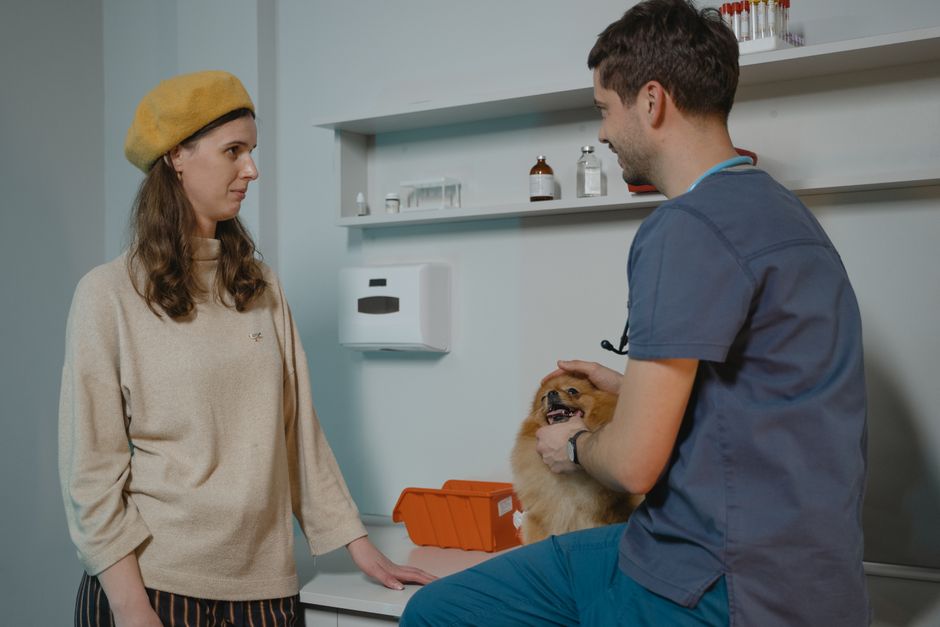
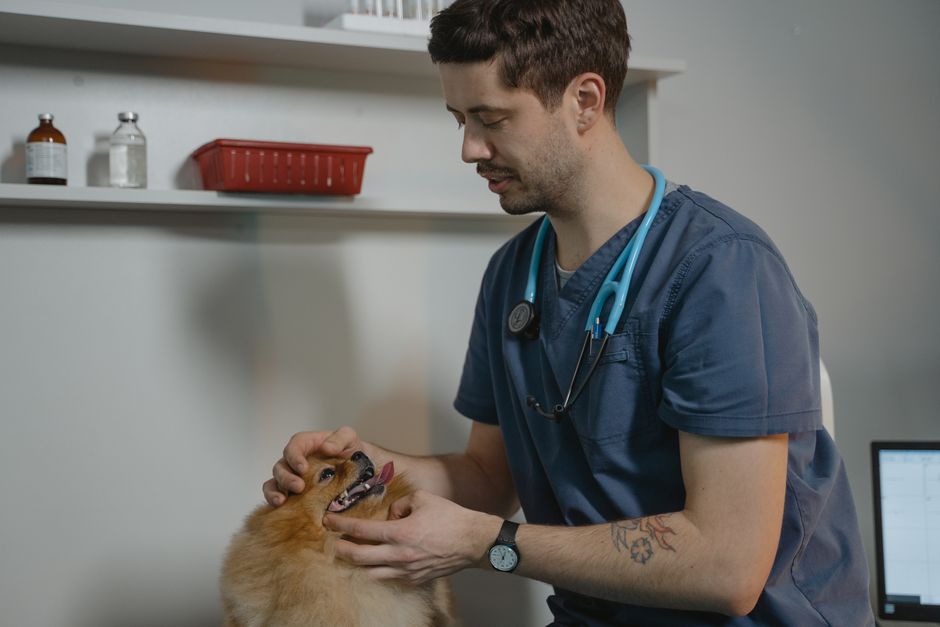
One of the most important things you can do for your pet in September is to schedule a wellness examination if you have not done so within the past year. A comprehensive checkup allows your veterinarian to catch underlying health issues, monitor weight changes, and update vaccinations as needed. During these visits, our veterinary team also reviews your pet’s lifestyle and environment to make tailored recommendations for parasite prevention and nutrition.
Heartworm protection is critical in our area, as mosquitoes remain active throughout the fall. If you are unsure of your pet’s current heartworm status, ask about heartworm testing and year-round prevention. Our team can guide you in choosing the most effective products for your dog or cat, taking into account their unique health needs.
Parasite Control for Fall
Fleas and ticks continue to thrive in Canton’s climate even as temperatures drop. Symptoms of flea infestations may include scratching, hair loss, red skin, or the presence of flea dirt. Ticks, on the other hand, are often found during grooming and can transmit serious diseases. It is essential to maintain monthly parasite prevention and check your pet’s skin and coat regularly. If you have questions about which products are best for your household, our parasite prevention and control services are designed to help you make informed decisions.
Vaccinations: Staying Protected
September is an ideal month to review your pet’s vaccination status. With increased outdoor activities and potential exposure to other animals at parks or boarding facilities, keeping up with pet vaccinations is vital. Updated immunizations protect your pet from contagious diseases such as parvovirus, distemper, rabies, and feline leukemia. Our veterinary professionals can recommend a customized vaccine schedule based on your pet’s age, lifestyle, and risk factors.
Nutrition and Seasonal Diet Adjustments
As the seasons shift, some pets may experience fluctuations in appetite or changes in activity levels. Dogs that spend more time outdoors in cooler weather may need additional calories, while indoor cats might benefit from enhanced hydration. If your pet’s weight has changed or you have noticed digestive issues, our team can offer guidance on specialty diets and nutritional support. Addressing your pet’s changing nutritional needs helps support a healthy weight, shiny coat, and overall wellbeing.
Home Care Tips for Early Fall
As a pet owner, there are several steps you can take at home to ensure your dog or cat stays healthy this September. Regular grooming helps you spot fleas, ticks, or skin changes early. Brushing your pet’s coat removes loose hair and reduces shedding, while frequent baths with veterinarian-approved shampoos can soothe itchy skin. Checking your pet’s ears for redness or odor and monitoring their eyes for discharge can catch early signs of infection.
For pets prone to anxiety or behavioral issues during routine changes, providing a consistent schedule, interactive toys, or calming environments can ease transitions. Keeping fresh water available and adjusting meal portions as activity levels change supports digestive health. Additionally, cleaning pet bedding and vacuuming regularly can reduce the presence of allergens and fleas in your home.
When Should You Seek Veterinary Care?
Some pet health issues can be managed with home care, but certain symptoms signal the need for prompt veterinary attention. If you notice persistent scratching, hair loss, vomiting, diarrhea, coughing, lethargy, or changes in appetite that last more than a day or two, contact your veterinarian. Sudden weight loss or gain, difficulty breathing, or visible parasites also warrant a professional evaluation. If your pet is overdue for a wellness visit or vaccinations, do not wait until illness strikes; preventive care is always easier and more cost-effective than emergency treatment.
Our team at Express Vets North Canton encourages you to reach out if you are unsure whether your pet’s symptoms require a visit. We are here to answer your questions and schedule an appointment that suits your needs. Timely care from experienced veterinary professionals can prevent minor issues from becoming major health problems.
Supporting Your Pet’s Health All Year in Canton
September is the perfect time to reassess your dog or cat’s health needs as fall begins in Canton. By staying proactive with wellness exams, parasite prevention, immunizations, and nutrition, you set your pet up for a comfortable, happy season. Our compassionate veterinary team is dedicated to supporting local pet owners with affordable, convenient care at our Canton location. Whether your pet needs a routine checkup, help with itchy skin, or guidance on seasonal nutrition, we are here to help.
If you are searching for a vet near me this fall, look no further than Express Vets North Canton. Schedule your appointment by calling (678) 493-5288 or visit us in person. Our team of veterinarians is proud to serve pet owners in Canton and surrounding communities with personalized care that prioritizes your pet’s comfort and wellbeing. For more information on our preventive services, explore our wellness examination, parasite prevention, and specialty diet resources online. Let’s work together to make this September your pet’s healthiest season yet.
This blog is intended for educational purposes only and does not replace professional veterinary advice. Always consult with your veterinarian for specific concerns regarding your pet’s health.