Managing Pet Allergies in Hot, Humid Canton Summers
Managing Pet Allergies in Hot, Humid Canton Summers
Is your cat or dog scratching, sneezing, or licking their paws more than usual as summer ramps up in Canton, Georgia? You are not alone. Many pet owners notice that as the humidity and temperatures rise, their pets begin to show signs of discomfort linked to seasonal allergies. The hot, sticky summers in our region bring an explosion of pollen, mold, and even increased flea activity, making this a challenging time for sensitive pets. At Express Vets North Canton, located at 149 Reinhardt College Parkway Suite 6, Canton, GA 30114, our veterinary team regularly helps families in Canton and surrounding communities manage these frustrating symptoms so their pets can enjoy the summer months comfortably.
In this blog, we will walk you through the most common signs of seasonal pet allergies, explain why pets struggle more in hot and humid weather, discuss treatment and management options available at our clinic, and provide practical tips you can use at home. We will also help you recognize when it is time to seek professional care, ensuring your pet gets the attention they need for lasting relief. If you are worried about allergies in your pet, our primary care veterinary services are here to support you with personalized solutions.
Recognizing Allergy Symptoms in Your Cat or Dog
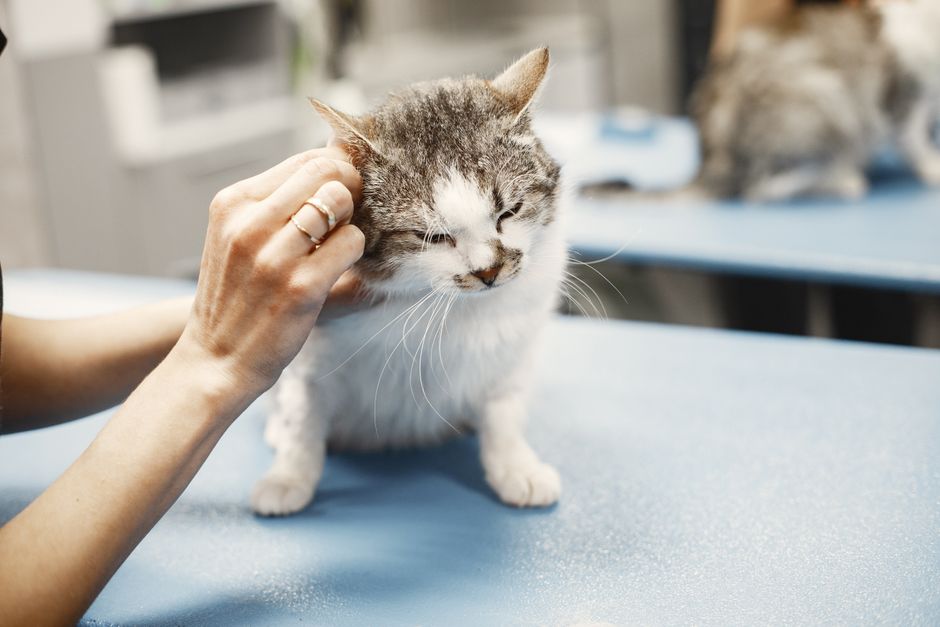
When summer hits Canton, common pet allergy signs can show up quickly and may persist throughout the season. Key symptoms include persistent scratching, licking, or chewing—particularly focused on the paws, belly, armpits, or base of the tail. You might also notice redness, hair loss, scabs, or hot spots developing on your pet’s skin. For some pets, watery eyes, sneezing, and ear infections become more frequent, and you may even hear your dog or cat shaking their head or notice a foul odor from their ears. Another telltale sign is excessive paw licking, which can stain the fur a rusty color over time.
Allergies can make your pet noticeably uncomfortable and can impact their quality of life. If your usually playful dog becomes irritable or your cat starts hiding more often, allergies may be a contributing factor. Pets with allergies often develop secondary skin infections, so prompt attention helps prevent more serious problems down the line.
Why Do Summer Allergies Worsen in Canton’s Humid Climate?
Summer in Canton means high humidity, heavy pollen counts, and a thriving flea population—all of which can trigger or worsen allergies in pets. Local allergens include grass and tree pollens, mold spores that grow in damp environments, and common outdoor plants. When humidity levels climb, mold and fungi flourish, and pollen can linger in the air and on your pet’s fur longer. Pets that spend time outdoors may also track in these allergens, exposing themselves repeatedly.
Fleas are a significant concern during warm months, and even a single bite can trigger flea allergy dermatitis in sensitive animals. Pets with underlying environmental allergies may react more strongly to flea bites during summer, intensifying their discomfort. Additionally, the combination of heat, moisture, and allergens can compromise your pet’s skin barrier, making it more susceptible to irritation, infection, and itchiness.
How Our Team Diagnoses and Treats Pet Allergies
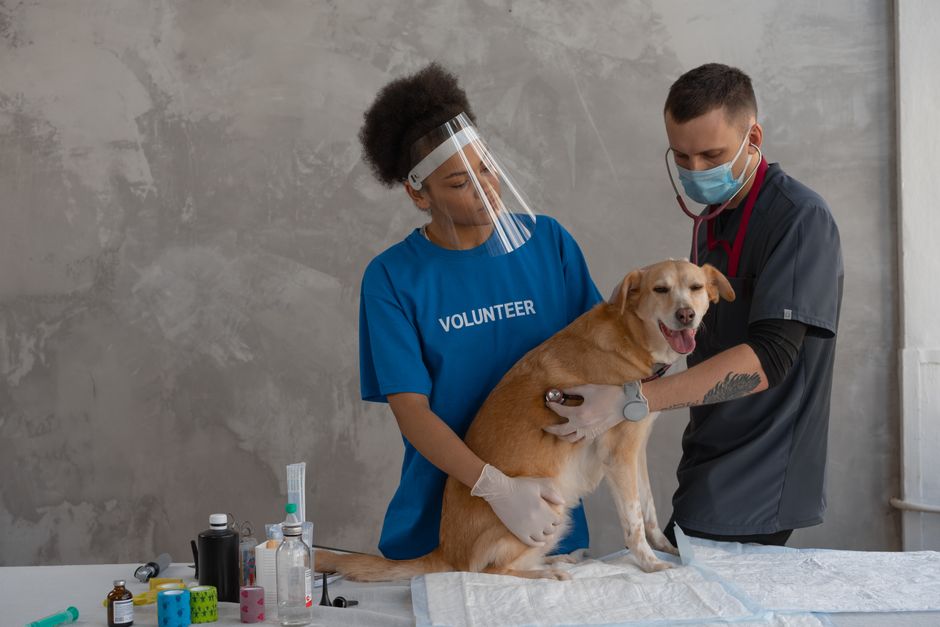
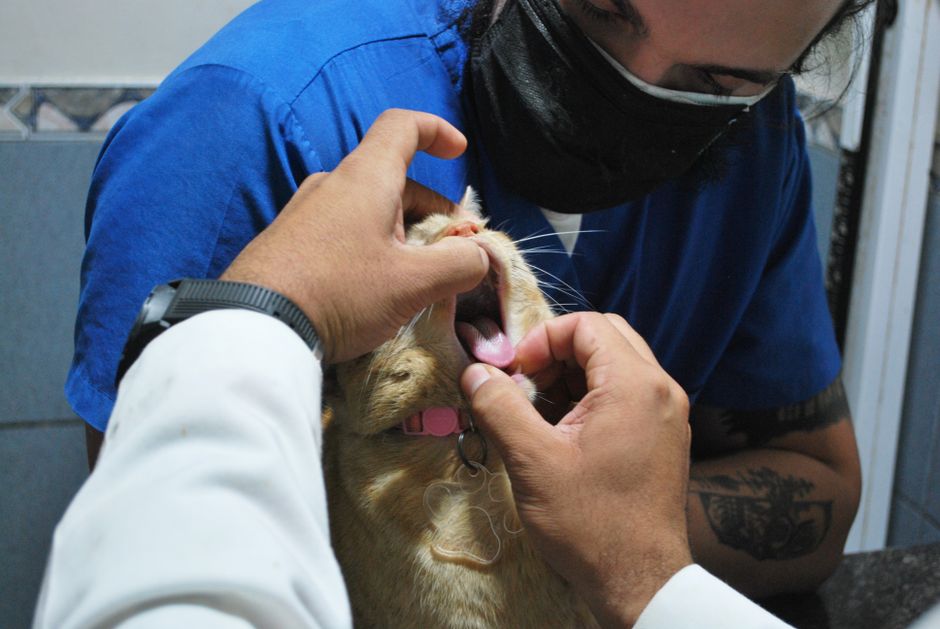
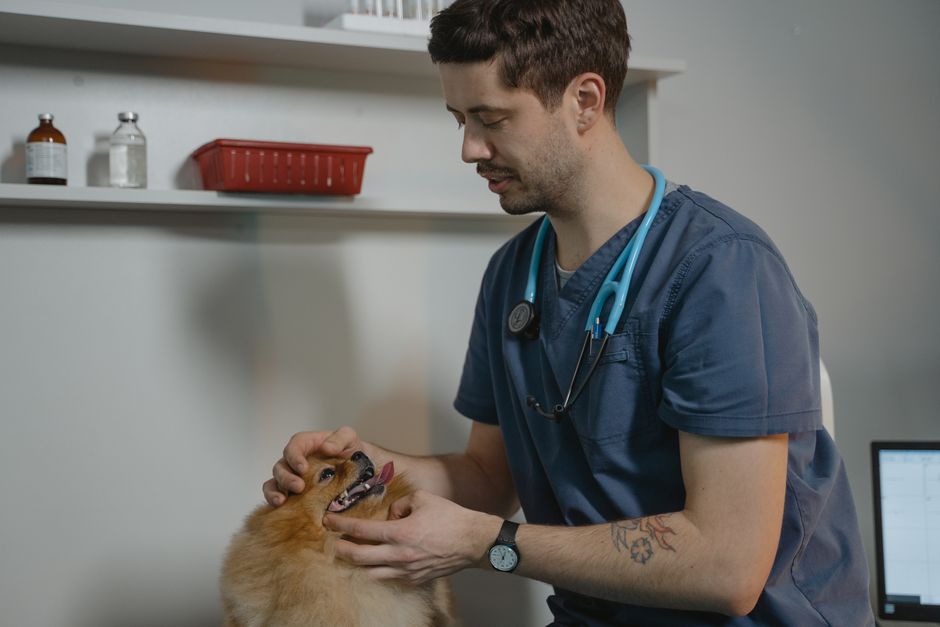
If your pet is showing signs of allergies, scheduling an appointment with our veterinary team at Express Vets North Canton is the best first step. During your visit, we will start by gathering a thorough history and performing a comprehensive pet exam to look for patterns in your pet’s symptoms and rule out other causes of itching, such as mange or skin infections.
In many cases, our veterinarians may recommend diagnostic testing to pinpoint the source of your pet’s discomfort. This might involve skin scrapings, cytology to look for yeast or bacterial overgrowth, or blood tests for underlying health issues. If flea allergy is suspected, our parasite prevention and control services are critical for both diagnosis and management.
Treatment approaches for pet allergies often involve a combination of strategies. For mild cases, antihistamines or medicated shampoos may offer relief. More severe allergies might require prescription medications such as steroids or newer therapies like Apoquel or Cytopoint, which target itch at its source. Addressing skin-related allergy symptoms is an important part of our dermatology services for pets, which may include topical treatments to heal inflamed skin and recommended changes to your pet’s grooming routine.
For pets with chronic ear infections or hot spots, additional therapies such as ear medications, antibiotics, or antifungals may be necessary. Our veterinary team will work with you to develop a plan tailored to your pet’s needs and lifestyle.
Home Care and Prevention: Helping Your Pet Beat the Summer Itch
While medical management is crucial in many cases, there are several steps you can take at home to help minimize your pet’s allergy symptoms during the Canton summer. Frequent bathing with a gentle, veterinarian-recommended shampoo can help remove allergens from your pet’s coat and soothe irritated skin. Wiping your pet’s paws and belly with a damp cloth after outdoor walks removes pollen and irritants that can trigger itching.
Vacuuming your home regularly and washing your pet’s bedding can reduce allergen buildup indoors. Managing fleas is especially important in our region, so maintaining a consistent year-round flea prevention routine is essential. Feeding a high-quality diet, sometimes with specialty ingredients recommended by your veterinarian, can also support healthy skin and coat.
Keeping your pet indoors during peak pollen times, usually early morning and late afternoon, may help limit exposure. For pets with food allergies, working with our veterinary team to conduct a dietary trial may be necessary to pinpoint and eliminate problem foods.
When to Seek Veterinary Care for Your Pet’s Allergies
If your pet’s symptoms are not improving with home care, or if you notice more severe signs such as open sores, constant scratching, head shaking, or a sudden change in behavior, it is time to schedule an appointment with your veterinarian. Chronic ear infections, hair loss, or signs of pain are all indicators that your pet needs professional evaluation. If your pet has a history of allergies and suddenly develops hives, facial swelling, or difficulty breathing, seek veterinary care immediately.
Our veterinary professionals at Express Vets North Canton are experienced in providing both sick visits and care for unwell pets and ongoing allergy management. We understand how frustrating persistent allergies can be and are dedicated to helping your pet get lasting relief so they can enjoy the summer months with you.
Supporting Your Pet All Summer Long: Local, Compassionate Allergy Care
Managing pet allergies during Canton’s hot, humid summers can be challenging, but you do not have to face it alone. By recognizing early signs, understanding the causes, and taking proactive steps at home, you can make a real difference in your pet’s comfort. When more help is needed, our team at Express Vets North Canton is here to offer expert advice, diagnostics, and treatment tailored to your pet’s individual needs.
If you are searching for a veterinarian near me who understands the unique challenges of summer allergies in Canton and surrounding communities, look no further. To schedule your pet’s allergy consultation or wellness examination, contact Express Vets North Canton at (678) 493-5288 or visit us at 149 Reinhardt College Parkway Suite 6, Canton, GA 30114. Our compassionate veterinary team is committed to keeping your cat or dog healthy, happy, and itch-free through every season.
This blog is for informational purposes only and does not replace professional veterinary care. Always consult your veterinarian for concerns about your pet’s health. For more information about pet allergy services, explore our dermatology services for pets or call us today to discuss your pet’s needs.