How to Prevent Parasites in Canton Pets This Summer

How to Prevent Parasites in Canton Pets This Summer
As summer heats up in Canton, many pet owners find themselves worrying about fleas, ticks, and heartworms—especially when August brings heat and humidity perfect for these pests. At Express Vets North Canton, we understand how important it is for your dog or cat to stay healthy and comfortable during the most active parasite season of the year. If you have noticed your pet scratching more, or if you are concerned about the risks of parasites in our region, you are not alone. In this blog, we will walk you through the most common summertime parasites in Canton, how they affect your pets, and what you can do to keep your four-legged family members safe. We will also share how our veterinary team can help with preventive care, routine screenings, and effective parasite control options right here at our 149 Reinhardt College Parkway Suite 6, Canton, GA 30114.
By the end of this article, you will have practical tips for protecting your pet all summer long and know when it is time to schedule an appointment with our compassionate veterinarians. And if you are looking for reliable parasite prevention and control services for pets in Canton, you will find everything you need to get started.
Recognizing the Signs: Is Your Pet at Risk from Summer Parasites?
The first step in protecting your pet from parasites is knowing what to watch for. Fleas, ticks, and mosquitoes are not just a nuisance; they can transmit serious diseases and cause discomfort for both dogs and cats. Key symptoms of flea infestations include frequent scratching, biting at the skin, hair loss, and sometimes visible flea dirt (tiny black specks) in your pet's coat. Ticks are often found attached to the skin, especially around the head, neck, ears, and between the toes; you might notice a small bump or spot where the tick has latched on. Heartworm disease, spread by mosquitoes, is much harder to spot early on, but warning signs in dogs can include coughing, fatigue, decreased appetite, and weight loss. Cats may show more subtle symptoms such as occasional coughing, vomiting, or lethargy, but sometimes the only sign is sudden respiratory distress.
If you detect any of these signs or if your pet seems unusually itchy or unwell, it is important to consult your veterinarian promptly. Early detection and intervention can make a significant difference in your pet's comfort and long-term health.
Why Are Parasites Such a Summer Problem in Canton?
Canton's warm, humid summers create ideal conditions for parasite populations to thrive. Fleas and ticks flourish in shaded, moist outdoor areas and can hitch a ride into your home on pets, shoes, or even clothing. Ticks are especially active in grassy, wooded environments and can transmit diseases such as Lyme disease and ehrlichiosis. Fleas multiply rapidly, laying hundreds of eggs that quickly infest both pets and homes.
Mosquitoes, the carriers of heartworm larvae, are abundant during Georgia's summer months, especially after rain. When a mosquito bites an infected animal, it picks up microscopic heartworm larvae and can then transmit them to your dog or cat. Dogs are natural hosts for heartworms, meaning the worms can mature and reproduce in their bodies, while cats are more resistant but still at risk for serious illness.
Your pet's risk increases with outdoor exposure, contact with other animals, and lack of routine preventive care. Even strictly indoor pets are not immune; fleas and mosquitoes can easily enter homes through open doors and windows.
How Veterinary Professionals Treat and Manage Parasite Problems
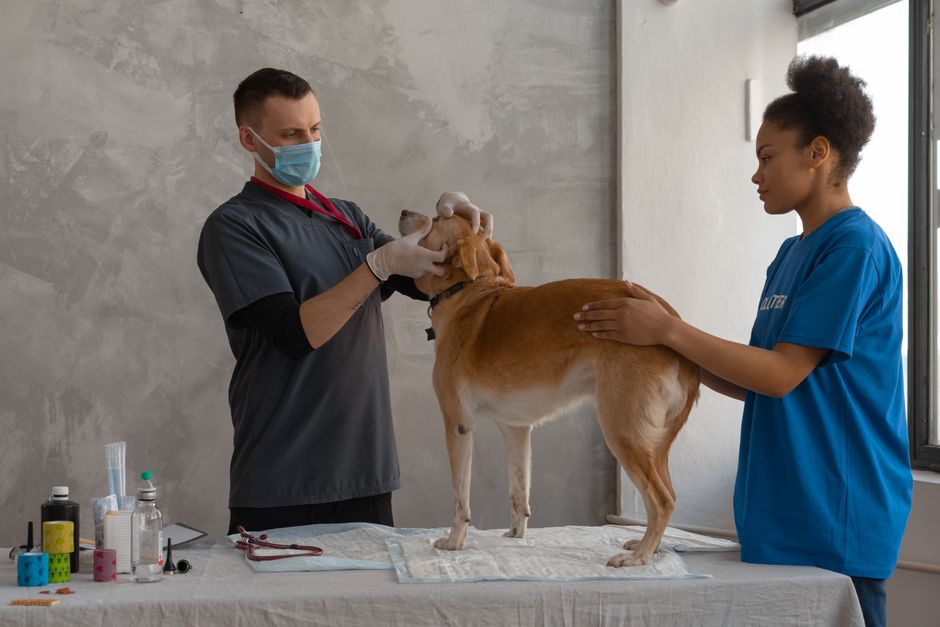
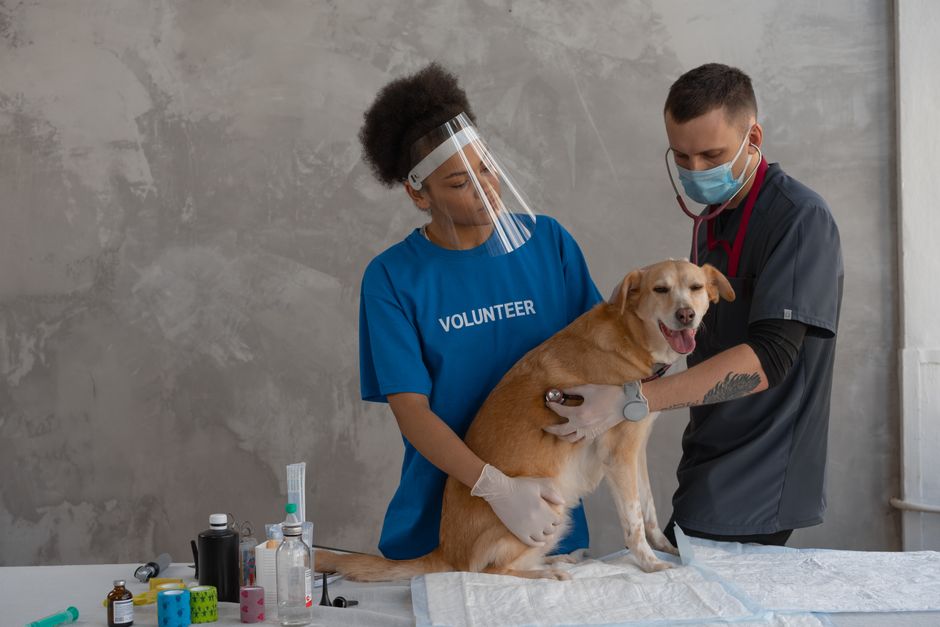
If your pet is dealing with a suspected or confirmed parasite problem, our approach at Express Vets North Canton begins with a thorough examination and diagnostic testing. For fleas and ticks, our veterinarians will check your pet's coat and skin for evidence of infestation, and may recommend specific treatments such as prescription flea and tick preventives, medicated baths, or topical solutions. For tick-borne illnesses, blood tests may be needed to check for infections.
Heartworm disease requires a different approach. For dogs, we recommend annual heartworm testing for pets in Canton as part of your pet's preventive care plan. If heartworm disease is diagnosed, treatment can be complex and involves a series of specialized medications and strict exercise restrictions. For cats, there is no approved treatment for heartworm disease; prevention is the only effective strategy.
Our veterinary team will also advise you on environmental control measures, such as treating your home and yard for fleas, and discuss how to monitor your pet for recurring issues. Every pet's situation is unique, so we tailor our recommendations to your pet's lifestyle, health status, and risk factors.
Preventing Parasites: Home Care and Preventive Strategies
Proactive prevention is the most effective way to protect your pet from parasites. Year-round parasite prevention is highly recommended in Canton and surrounding communities due to our climate. For fleas and ticks, this means administering veterinarian-recommended monthly preventives, whether in the form of topical treatments, oral chews, or collars. These products kill parasites before they can cause harm and help prevent infestations in your home.
For heartworm prevention, monthly prescription medications are essential for both dogs and cats, even if your pet primarily lives indoors. Our veterinarians can help you choose the best option based on your pet's needs and medical history.
In addition to medications, you can reduce your pet's risk by keeping lawns mowed, removing leaf litter, and avoiding tall grasses or wooded areas where ticks are common. Regularly washing your pet's bedding, vacuuming carpets and furniture, and checking your pet after outdoor activities are important steps. Keeping windows and doors screened can help minimize mosquito entry.
Scheduling a wellness examination at least once a year ensures your pet's parasite prevention plan stays up to date and that any issues are caught early. During these visits, our veterinary team can discuss the most effective products for your pet and monitor for any signs of trouble.
When to Seek Veterinary Care for Parasite Issues
While preventive care goes a long way, there are times when professional veterinary attention is urgently needed. If you notice signs such as persistent scratching, hair loss, visible fleas or ticks, or sudden changes in your pet's behavior or energy level, it is time to contact your veterinarian. Coughing, difficulty breathing, unexplained weight loss, or vomiting in dogs and cats may indicate a more serious problem such as heartworm disease or tick-borne illness.
Additionally, if your pet's current parasite prevention routine is not working, or if you have missed doses or are unsure about which products are safe, our veterinary professionals can help. We recommend scheduling an appointment as soon as you have concerns so we can assess your pet and provide the appropriate care.
For ongoing prevention and peace of mind, our parasite prevention and control services for pets in Canton are designed to keep your pet healthy through every season.
Keeping Canton’s Pets Safe: Partnering with Your Veterinary Team
At Express Vets North Canton, we believe that protecting your pet from parasites is a partnership between you and your veterinary team. With our experience in preventative medicine and local knowledge of parasite risks, we can help you create a plan that fits your pet's lifestyle and health needs. Whether you are managing a current infestation or looking to prevent problems before they start, our veterinarians are here to support you every step of the way.
If you are searching for a "vet near me" who understands the unique challenges of summer parasite prevention in Canton, we invite you to contact Express Vets North Canton for expert guidance and compassionate care. Schedule an appointment by calling (678) 493-5288 or visit us at our Canton location.
Let us help you enjoy a worry-free summer with your pets by your side. For more information on comprehensive parasite prevention, routine pet examinations, or to discuss specific concerns about your pet's health, reach out to our veterinary professionals today. Your pet's comfort and safety are always our top priorities.
Medical Disclaimer: The information provided in this blog is for educational purposes only and should not be considered a substitute for professional veterinary advice. Always consult your veterinarian for guidance on diagnosis and treatment specific to your pet’s needs.
For additional resources on parasite prevention, visit the Companion Animal Parasite Council or the American Veterinary Medical Association.