Healthy Cat Treats: How to Choose the Best Options
Healthy Cat Treats: How to Choose the Best Options
Every cat owner loves rewarding their feline friend with a tasty treat, but with so many options lining the shelves, it can be challenging to know which treats are truly healthy. Selecting the right snacks for your cat is more than just about flavor; it’s about supporting their long-term health and happiness. At Express Vets North Canton, located at 149 Reinhardt College Parkway Suite 6, Canton, GA 30114, our veterinary team knows how important nutrition is for cats at every life stage. In this guide, we’ll help you navigate the world of healthy cat treats, explain what to look for in ingredient lists, outline safe portion sizes, and provide practical tips for rewarding your cat in nutritious ways that fit their unique needs.
Whether you are looking to complement a specialty diet, reinforce good behavior, or just share a moment of affection, making smart treat choices can have a lasting positive effect on your cat’s well-being. We’ll also explain when to consult your veterinarian for advice, and how our team can help you make the most informed choices. For those interested in optimizing their cat’s daily nutrition, considering a specialty diet for your pet may be a helpful step alongside selecting healthy treats. Read on to discover how to choose the best healthy cat treats for your beloved companion in Canton and surrounding communities.
Recognizing When Your Cat Needs Healthier Treats
Treats are more than just a way to pamper your cat; they can be a reflection of your pet’s overall lifestyle and health. Some pet owners may notice their cat is becoming less active, gaining weight, or showing signs of digestive upset, and wonder if treats could be part of the problem. Key indicators that it’s time to re-evaluate your treat choices include a cat that is starting to look heavier around the waist, showing less enthusiasm for playtime, or having more hairballs or loose stools than usual. Additionally, if your cat has been diagnosed with a chronic health issue such as diabetes, kidney disease, or food allergies, your current treats may need to be switched for more appropriate, health-supportive options.
It’s also important to remember that even healthy cats can benefit from better treats. You might be using treats for training, as a bonding tool, or just to supplement a picky eater’s diet. However, excessive or inappropriate treats can quickly add unnecessary calories, upset the balance of your cat’s nutrition, or even trigger health problems. If you find yourself offering treats multiple times a day, or using human foods as rewards, this is a good time to reflect on your choices and consider alternatives that will support your cat’s well-being.
What Makes a Cat Treat Healthy? Understanding Ingredients and Nutrition
Healthy cat treats are defined by more than just their calorie count; the ingredients and nutritional profile are crucial. High-quality treats usually feature meat or fish as the first ingredient, providing the animal protein your cat’s body needs. Protein-rich treats help maintain lean muscle mass, support healthy skin and coat, and keep your cat feeling satisfied. In contrast, treats with high levels of grains, artificial colors, or added sugars can be less nutritious and may even contribute to weight gain or allergies.
When you look at the label, prioritize treats with simple, recognizable ingredients. Chicken, turkey, salmon, and tuna are popular protein sources that appeal to most cats. Limited ingredient treats are especially helpful for cats with food sensitivities, as they reduce the risk of triggering a reaction. Avoid treats containing excessive fillers, such as corn or wheat, as well as artificial preservatives and flavors. Some treats are designed with functional benefits, like supporting dental health or hairball control, but it’s important to confirm these claims with your veterinarian.
For cats on specialty diets, such as those with kidney or urinary concerns, it’s best to seek guidance before introducing any new treats. Even small amounts of the wrong ingredient can impact your cat’s health. If you’re ever unsure, our veterinary professionals can help you interpret labels and identify the best options for your pet’s unique needs.
Portion Sizes: How Much Is Too Much?
Portion control is essential when it comes to healthy cat treats. Although treats are small, they can quickly add up in calories. As a general rule, treats should make up no more than ten percent of your cat’s daily caloric intake. For an average adult cat, this usually means only a few treats per day, depending on their size and the treat’s nutritional value.
Overindulgence can lead to weight gain, digestive issues, or reduced interest in regular meals. If your cat is already overweight or prone to obesity, consider using their regular kibble as a reward, or seek out low-calorie treat alternatives. For cats with health concerns, your veterinarian may recommend skipping commercial treats altogether and using prescription-approved alternatives. Remember, treats are meant to reinforce positive behaviors and strengthen your bond, not replace a balanced diet.
Rewarding Your Cat the Healthy Way: Practical Tips
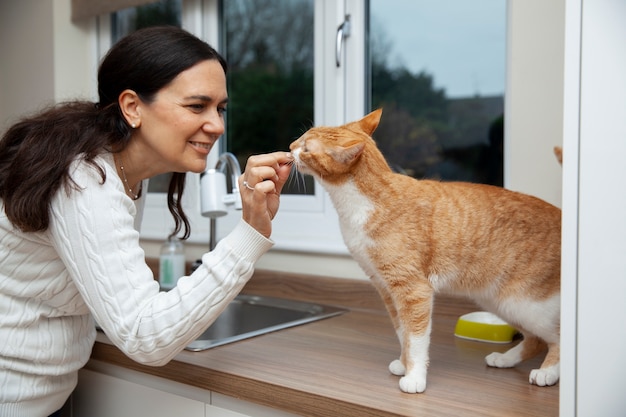
Rewarding your cat doesn’t have to mean sacrificing their health. There are many ways to incorporate treats into your cat’s routine while keeping nutrition top of mind. For instance, you can use treats as a reward for using the litter box, learning a new trick, or simply as part of a daily bonding ritual. Cats respond well to positive reinforcement, and offering a small, healthy treat can make training sessions more effective.
Another smart approach is to use interactive toys or puzzle feeders that dispense treats, encouraging your cat to be active and mentally stimulated. This not only limits the number of treats given, but also provides much-needed exercise and enrichment. For cats with specific dietary needs, homemade treats using veterinarian-approved recipes can be a fun and safe alternative. Always consult your veterinarian before preparing homemade options, as some ingredients common in human foods can be harmful to cats.
If you’re unsure about which treats to choose or how to balance them within your cat’s diet, our veterinary team is here to help. Scheduling a wellness examination is a great opportunity to discuss your pet’s nutrition, address any concerns, and develop a treat strategy that fits your cat’s lifestyle.
Preventing Problems: Establishing Healthy Treat Habits
The best way to prevent treat-related health problems is to establish healthy habits from the start. Start by choosing treats that align with your cat’s life stage, activity level, and any medical needs. Make a habit of measuring out treats each day, rather than free-feeding or using treats to compensate for missed meals. Keeping treats in a separate container and offering them only during training or special bonding times can help reinforce moderation.
For multi-cat households, monitor treat distribution to ensure all cats receive an appropriate amount based on their individual needs. If you notice changes in your cat’s weight, appetite, or energy after introducing a new treat, consult your veterinarian promptly. Regular check-ups and open communication with your veterinary professionals can help you spot issues early and adjust your approach as needed.
Seasonal factors and local conditions in Canton and nearby areas can also play a role. For example, increased indoor time during rainy or hot weather may reduce your cat’s activity level, so you may need to adjust your treat routine to prevent unwanted weight gain.
When to Seek Veterinary Advice About Cat Treats
While treats may seem like a minor part of your cat’s diet, they can have a significant impact on health—especially for cats with underlying medical conditions or special dietary restrictions. You should consult your veterinarian if you notice symptoms such as vomiting, diarrhea, skin irritation, itching, or sudden changes in weight after introducing a new treat. Cats with chronic conditions, like diabetes, kidney disease, or food allergies, require extra care when it comes to treats, as even a small deviation can affect their treatment plan.
If you are unsure about which treats are safe or suitable for your pet, or if you have questions about balancing treats with a primary care plan, don’t hesitate to reach out to our veterinary team. During your cat’s next wellness exam, we can review their overall nutrition, help you assess treat options, and provide tailored recommendations that align with your cat’s health goals.
For pet owners searching for a veterinarian near me who truly understands the importance of nutrition and wellness, Express Vets North Canton is ready to help you make the best choices for your feline companion.
Supporting Your Cat’s Health with the Right Treats: Schedule a Consultation
Choosing healthy cat treats is a simple yet powerful way to support your pet’s well-being and strengthen your special bond. By focusing on high-quality ingredients, appropriate portion sizes, and thoughtful reward strategies, you can ensure your cat enjoys every treat without compromising their health. Remember to watch for signs of dietary imbalance, consult your veterinarian with any concerns, and make treat selection a regular part of your pet’s wellness routine.
If you have questions about healthy cat treats or want personalized advice, we invite you to schedule an appointment with our team of veterinarians at Express Vets North Canton. We are dedicated to providing comprehensive, compassionate care for cats across Canton and surrounding communities. Whether you’re interested in specialty diets, wellness examinations, or creating a holistic nutrition plan, we are here to help.
Contact us today at (678) 493-5288 or visit us at 149 Reinhardt College Parkway Suite 6, Canton, GA 30114 to schedule your consultation. For more information about our services, including comprehensive pet exams and nutrition guidance, explore our website. Choose Express Vets North Canton as your trusted partner in feline health and discover how healthy cat treats can make every moment with your cat even sweeter.
This article is for informational purposes only and should not replace professional veterinary advice. Always consult with your veterinarian regarding your cat’s health and dietary needs.