Cats Teeth: Essential Care Tips for Canton Pet Owners

Cats Teeth: Essential Care Tips for Canton Pet Owners
If you’re a cat owner in Canton or the surrounding communities, you know your cat’s health and happiness are always top priorities. While many people focus on vaccinations, nutrition, and regular checkups, one vital aspect of feline health is often overlooked: cats teeth. Dental care is just as important for your cat as it is for you, and neglecting it can lead to painful problems and affect your cat’s overall wellbeing. At Express Vets North Canton, located at 149 Reinhardt College Parkway Suite 6, Canton, GA 30114, our veterinary team is dedicated to helping you keep your cat’s teeth healthy for years to come. In this guide, we’ll cover how to recognize dental issues, what causes them, how they’re treated, and the steps you can take at home to keep your cat’s mouth in top shape. If you’re wondering about the best approach to cats teeth in Canton, you’re in the right place.
How to Recognize Dental Problems in Cats Teeth
Understanding the warning signs of dental disease is the first step toward protecting your cat’s health. Many cats hide discomfort well, so it’s important to pay attention to subtle changes. Signs that your cat may be experiencing dental issues include persistent bad breath, drooling, difficulty eating or chewing, pawing at the mouth, and visible tartar or red, swollen gums. Additionally, you might notice your cat dropping food from their mouth, favoring one side while chewing, or showing a sudden disinterest in food altogether. In some cases, cats may become irritable or withdrawn due to oral pain.
Behavioral changes can also be a clue. If your typically playful cat becomes less active or vocal, or avoids being touched around the face, dental discomfort could be the cause. Occasionally, you may see blood on toys or bedding, which can indicate inflamed gums or even loose teeth. Monitoring your cat for these signs allows you to address issues early, preventing more serious complications down the road.
Understanding the Causes of Cats Teeth Problems
Dental disease in cats is surprisingly common, with most cats showing some signs of gum disease by age three. The root of most problems lies in plaque—a sticky film of bacteria that forms on the teeth after eating. If not removed, plaque hardens into tartar, which irritates the gums and leads to gingivitis. Over time, untreated tartar and plaque can result in periodontal disease, tooth loss, and even infections spreading to other parts of the body.
Several factors contribute to cats teeth issues. Diet plays a significant role; cats that eat primarily soft or canned food may accumulate more plaque compared to those who regularly chew on dental diets or treats. Genetics can also make some cats more prone to dental disease, and certain breeds, such as Siamese or Abyssinians, may be at higher risk. Age is another important factor, as older cats are more susceptible to dental problems. Underlying medical conditions, such as feline immunodeficiency virus (FIV) or diabetes, can also compromise oral health.
Environmental factors, like lack of regular dental care at home or skipping routine veterinary visits, can accelerate the progression of dental disease. By understanding these causes, you can make informed choices to safeguard your cat’s dental health.
Professional Treatment Options for Cats Teeth in Canton
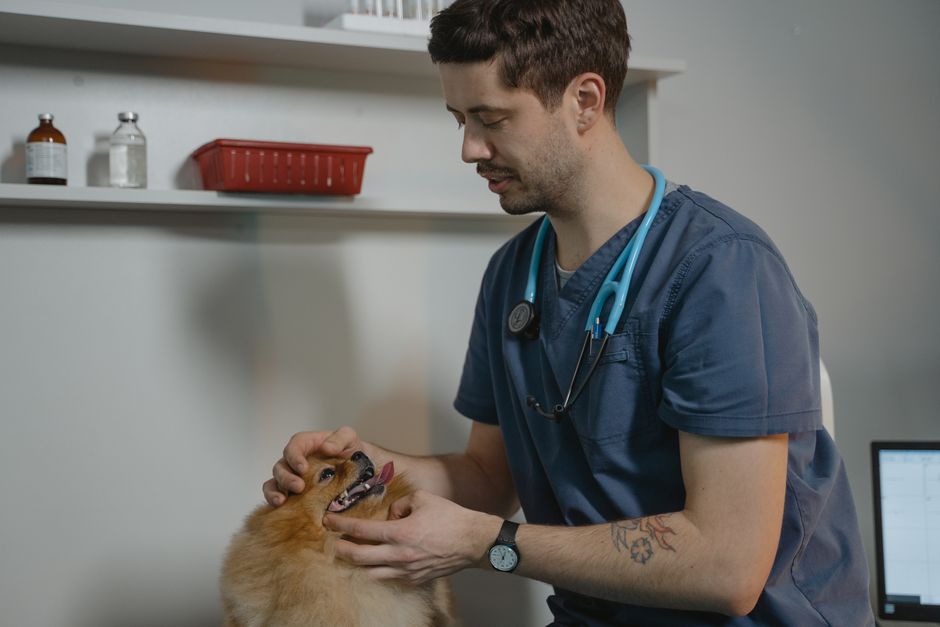
When dental problems are detected, prompt professional treatment is essential to prevent pain and further complications. At Express Vets North Canton, our veterinary team provides comprehensive dental care as part of our commitment to your cat’s overall wellbeing. During a wellness examination, we thoroughly check your cat’s teeth and gums, looking for signs of tartar, gingivitis, loose teeth, or oral masses.
If dental disease is found, a professional dental cleaning is often recommended. This procedure, performed under anesthesia for your cat’s safety and comfort, allows us to remove plaque and tartar from above and below the gumline. We also polish the teeth to reduce future plaque buildup, and assess each tooth for stability. If any teeth are severely damaged, extractions may be necessary to relieve pain and prevent infection.
In cases of advanced periodontal disease, additional treatments may include antibiotic therapy, pain management, or specialized dental procedures. Our veterinarians will discuss all options with you and create a tailored treatment plan for your cat. Regular professional cleanings, combined with at-home care, are the best way to maintain healthy cats teeth in Canton and beyond.
Preventing Dental Disease: Home Care for Your Cat’s Teeth
Preventing dental disease starts at home. The most effective way to protect your cat’s teeth is with regular brushing, ideally every day, using a pet-safe toothbrush and feline-formulated toothpaste. Begin slowly, letting your cat get used to the flavor and sensation, and reward them with praise or gentle petting.
In addition to brushing, dental diets and treats designed to reduce plaque can be a valuable part of your cat’s oral care routine. Some cats benefit from dental toys that encourage chewing, which helps scrape away soft plaque. Fresh water should always be available, and maintaining a balanced diet supports overall health, including oral tissues.
Routine veterinary visits are crucial for early detection and prevention. During your cat’s wellness examination, our veterinarians can identify subtle changes before they become major issues. We can also recommend specific products or techniques tailored to your cat’s needs. By combining professional guidance with consistent home care, you can significantly reduce the risk of dental disease and keep your cat’s teeth healthy.
When to Schedule a Veterinary Dental Checkup
Knowing when to seek veterinary care can make a big difference in your cat’s comfort and quality of life. If you notice any warning signs—such as bad breath, drooling, difficulty eating, red or bleeding gums, or changes in behavior—it’s important to schedule an appointment as soon as possible. Even if your cat seems healthy, annual dental assessments are recommended as part of their overall preventive care.
Certain situations may require more frequent checkups. Senior cats, those with chronic medical conditions, or breeds known for dental issues should be monitored closely. After dental procedures, follow-up visits ensure proper healing and allow the veterinary team to track progress. Delaying care can result in advanced disease, leading to unnecessary pain and more complex treatments.
If you’re searching for a veterinarian near me who understands the unique needs of cats teeth in Canton, Express Vets North Canton is here to help. Our compassionate, knowledgeable veterinarians are committed to providing personalized care for every cat, ensuring your feline family member enjoys a healthy, pain-free life.
Keeping Your Cat’s Smile Bright at Express Vets North Canton
Your cat’s dental health is a cornerstone of their overall wellbeing. By staying alert to changes in your cat’s mouth, providing regular home care, and scheduling routine veterinary checkups, you can help prevent common dental problems and support a longer, healthier life. The team at Express Vets North Canton is dedicated to making dental care accessible and stress-free for you and your cat, right here in Canton and surrounding communities.
If you have questions about cats teeth, want to learn more about at-home care, or are ready to schedule a dental checkup, our veterinary professionals are here for you. Contact us today at (678) 493-5288 or visit us at 149 Reinhardt College Parkway Suite 6, Canton, GA 30114 to book your appointment. For a thorough assessment and expert advice, ask about a wellness examination tailored to your cat’s needs.
When searching for a vet near me who truly cares about your cat’s dental health, look no further than Express Vets North Canton. Together, let’s keep your cat’s teeth healthy and their smile shining bright for years to come.
For informational purposes only. Always consult your veterinarian for personalized advice and care recommendations for your individual cat.