Cat Teeth: Signs of Dental Trouble You Shouldn’t Ignore
Cat Teeth: Signs of Dental Trouble You Shouldn’t Ignore
If you’ve ever caught a glimpse of your cat’s teeth during a big yawn or a playful bite, you may have wondered if everything looks as it should. Dental health is just as important for cats as it is for people, yet it’s often overlooked until visible problems arise. At Express Vets North Canton, we understand how easy it can be to miss subtle changes in your cat’s mouth. That’s why our veterinary team here at 149 Reinhardt College Parkway Suite 6, Canton, GA 30114 is dedicated to helping pet owners in Canton and surrounding communities recognize early warning signs of dental disease. This blog will guide you through what healthy cat teeth look like, how to spot signs of trouble, and what steps you can take both at home and with the help of our veterinary professionals to keep your feline’s mouth healthy for years to come.
Whether you’re worried about bad breath, yellowing teeth, or just want to learn how to keep your cat’s teeth in top shape, you’ll find practical advice here. We’ll cover common dental problems in cats, what causes them, and how a wellness examination can help catch issues before they become serious. If you’re searching for answers about cat teeth, you’re in the right place.
Warning Signs: When Cat Teeth Need Attention
Cats are masters at hiding discomfort, so dental issues can progress quietly until they cause significant pain or health problems. Recognizing the early signs is essential for protecting your cat’s overall wellbeing.
Common symptoms that indicate trouble with cat teeth include persistent bad breath that doesn’t improve after a meal or treats, visible yellow or brown tartar buildup along the gumline, and red, swollen, or bleeding gums. You might also notice your cat pawing at their mouth, dropping food while eating, or chewing only on one side. A sudden preference for soft food, reluctance to eat dry kibble, or decreased appetite can signal discomfort. Additionally, excessive drooling, changes in grooming habits, or visible sores in the mouth are red flags. In severe cases, you may observe loose or missing teeth, facial swelling, or even pus near the gums.
If your cat hides more than usual, becomes irritable, or suddenly stops playing, these behavior changes can also point to dental pain. Because cats rarely vocalize oral discomfort, subtle shifts in eating or grooming are often the first signs something’s wrong.
Understanding Why Cat Teeth Develop Problems
A healthy cat’s teeth should be white, clean, and free from odor, with pink, firm gums. However, several factors can contribute to dental disease in cats. The most common culprit is plaque—a sticky film of bacteria that forms on teeth after eating. If not removed, plaque hardens into tartar, which irritates the gums and leads to inflammation known as gingivitis.
Over time, untreated gingivitis can progress to periodontal disease, a condition where the tissues supporting the teeth become infected. This can result in pain, tooth loss, and even systemic health issues affecting the heart, kidneys, and liver. Age is another risk factor, as older cats are more likely to develop dental problems. Genetics, diet, and certain viral infections such as feline immunodeficiency virus (FIV) or feline leukemia virus (FeLV) can also increase susceptibility.
Some cats suffer from resorptive lesions—painful erosions in the teeth that are unique to felines. These often go unnoticed until significant damage has occurred. Dry food can help reduce plaque, but it isn’t a guarantee against dental issues. Cats fed exclusively wet food or home-prepared diets may also be at higher risk if their oral care isn’t closely monitored.
Professional Treatment for Cat Teeth at Express Vets North Canton
When dental problems are suspected or detected during a wellness examination, professional intervention is the best way to restore your cat’s comfort and health. Our veterinary team begins with a thorough oral assessment, which may include dental x-rays to check for issues below the gumline. We look for evidence of tartar, gum inflammation, loose teeth, and hidden infections.
If dental disease is present, treatment often involves a professional cleaning under anesthesia. This allows us to safely remove tartar from all tooth surfaces and beneath the gums, where bacteria can cause the most harm. In some cases, extractions are necessary if teeth are severely damaged or infected. Our veterinarians use gentle techniques and pain management to ensure your cat’s comfort throughout the process.
For cats with specific conditions such as stomatitis or resorptive lesions, we may recommend additional therapies. Follow-up care is tailored to each cat’s needs and includes guidance on maintaining oral health at home.
If you notice sudden changes in your cat’s eating habits or suspect a dental issue, prompt action can prevent complications. Scheduling a sick visit allows our veterinarians to address acute problems and develop a customized treatment plan.
At-Home Care: Protecting Your Cat’s Teeth Between Vet Visits
While professional dental cleanings are crucial, you play an essential role in your cat’s oral health every day. Regular at-home care can dramatically reduce the risk of dental disease and help maintain healthy cat teeth between veterinary visits.
Brushing your cat’s teeth is the gold standard for plaque control. Use a cat-specific toothbrush and toothpaste, since human products can be harmful to felines. Start slowly, allowing your cat to get used to the sensation and taste; patience and positive reinforcement make the process smoother. If brushing isn’t possible, dental wipes, gels, or water additives designed for cats can help reduce bacteria.
Offering dental treats or kibble formulated to promote oral health can also be beneficial. These products are designed to help scrape away plaque as your cat chews. Providing safe chew toys and encouraging play can further support gum health.
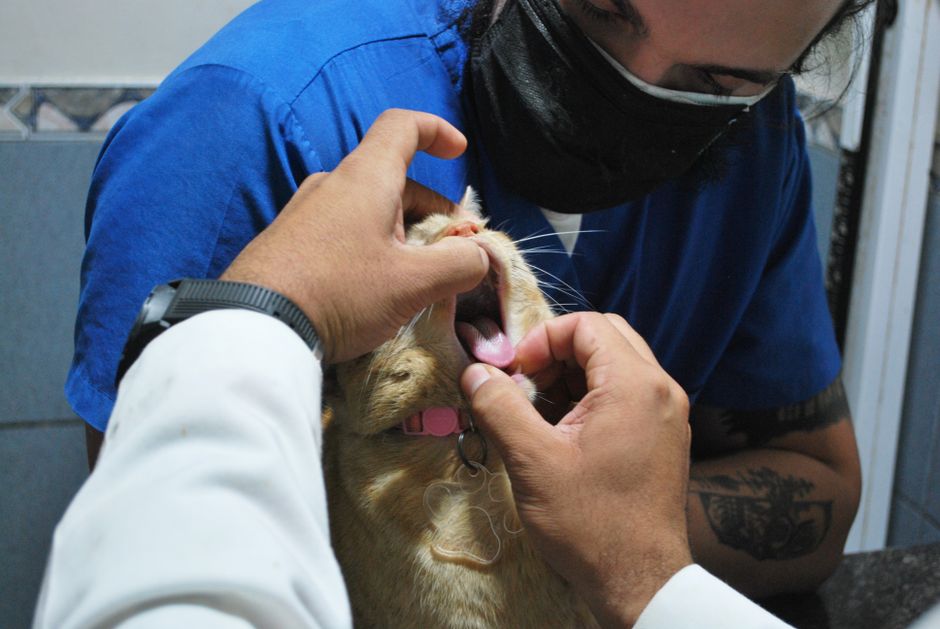
Keeping an eye on your cat’s mouth between visits is important. Lift their lips regularly to check for redness, swelling, or tartar buildup. Early detection of changes allows you to schedule veterinary care before problems escalate.
When to Schedule a Veterinary Visit for Cat Teeth
Knowing when to seek professional help is key to preventing dental disease from causing lasting harm. If you observe persistent bad breath, difficulty eating, drooling, or any signs of pain around the mouth, it’s time to schedule an appointment with our veterinary team. Sudden changes in appetite, grooming, or behavior should also prompt a visit.
A yearly wellness examination is recommended for all cats, but older cats or those with a history of dental issues may benefit from more frequent checkups. If your cat is recovering from dental treatment or you’re unsure how to care for their teeth at home, our veterinarians are here to provide guidance every step of the way.
Delaying care can lead to complications such as tooth loss, oral infections, and even systemic illness. Our goal is to catch issues early, provide gentle treatment, and help you maintain your cat’s quality of life.
Supporting Your Cat’s Dental Health in Canton and Beyond
Caring for cat teeth is an ongoing commitment, but with the right knowledge and support, you can keep your feline companion healthy and pain-free. Watching for early warning signs, practicing at-home dental care, and scheduling regular veterinary checkups are the best ways to prevent serious dental problems.
If you’re concerned about your cat’s teeth or want to ensure their mouth is as healthy as possible, Express Vets North Canton is here to help. Our compassionate veterinary professionals are dedicated to providing comprehensive dental care for cats in Canton and surrounding communities. To schedule a dental evaluation or wellness examination, contact us at (678) 493-5288 or visit our clinic at 149 Reinhardt College Parkway Suite 6, Canton, GA 30114.
When searching for a veterinarian near me who truly understands the unique needs of your cat, look no further than our experienced team. Together, we can safeguard your cat’s teeth and overall health for years to come. If you notice any signs of dental trouble or have questions about at-home care, don’t hesitate to reach out—your cat deserves the best in gentle, professional veterinary care.