Cat Teeth Care: Why Dental Health Matters for Your Feline
Cat Teeth Care: Why Dental Health Matters for Your Feline
Caring for your cat goes far beyond providing food, affection, and a safe home. One area that is often overlooked, but crucial to your cat’s comfort and overall health, is dental care. Many cat owners are surprised to learn just how much proper attention to cat teeth can influence their feline’s wellbeing. At Express Vets North Canton, located at 149 Reinhardt College Parkway Suite 6, Canton, GA 30114, our veterinary team is dedicated to helping you understand and protect your cat’s oral health through every stage of life.
In this guide, we will explore why cat teeth health is so important, how to spot dental problems in your feline companion, what you can do at home to prevent issues, and when it’s time to schedule a professional dental checkup. You will also discover how our wellness examination services support early detection and long-term prevention of dental disease for cats in Canton and surrounding communities. Let’s take a closer look at the essentials of feline dental care and how you can keep your cat comfortable, happy, and healthy for years to come.
Recognizing Dental Problems: Signs Your Cat May Have Tooth Trouble
Understanding when your cat may be experiencing dental discomfort is the first step in maintaining their oral health. Cats are masters at hiding pain, so dental disease can progress quietly until it becomes advanced. Some of the most common signs that your cat’s teeth might be in trouble include bad breath that does not go away, reluctance to eat hard food or treats, dropping food from the mouth, pawing at the face, and noticeable changes in chewing or grooming habits. You might also notice red or swollen gums, visible tartar buildup, drooling, or even weight loss over time.
In more subtle cases, your cat may simply become less social, sleep more, or avoid being touched around the head and mouth. It’s important to pay attention to these behavioral changes, as they can signal discomfort from dental disease. If you observe any of these symptoms, it’s time to schedule a primary care appointment to have your cat’s teeth and mouth thoroughly examined by our veterinary professionals.
Why Do Cats Get Dental Disease? Understanding the Causes
Just like people, cats can develop dental disease when plaque and bacteria accumulate on their teeth and gums. Over time, this buildup hardens into tartar, which leads to inflammation of the gums, known as gingivitis. If left untreated, gingivitis can progress to periodontal disease, which damages the tissues and bone supporting the teeth and can eventually result in tooth loss.
The development of dental disease in cats can be influenced by several factors. Age is one; older cats are more prone to dental issues, but even young cats can be affected, especially if their teeth are not cleaned regularly. Genetics play a role as well, with some breeds such as Siamese and Persians being more susceptible. Diet is another key factor—cats who eat primarily wet food or soft diets may be at higher risk because these foods do not naturally scrape plaque from the teeth as effectively as dry kibble. Underlying health conditions, such as feline immunodeficiency virus (FIV) or kidney disease, can also increase the risk of oral health problems.
Regular wellness examinations at our Canton clinic help identify dental issues early, allowing for timely intervention before more serious complications develop.
Professional Dental Care: What to Expect from Your Veterinarian
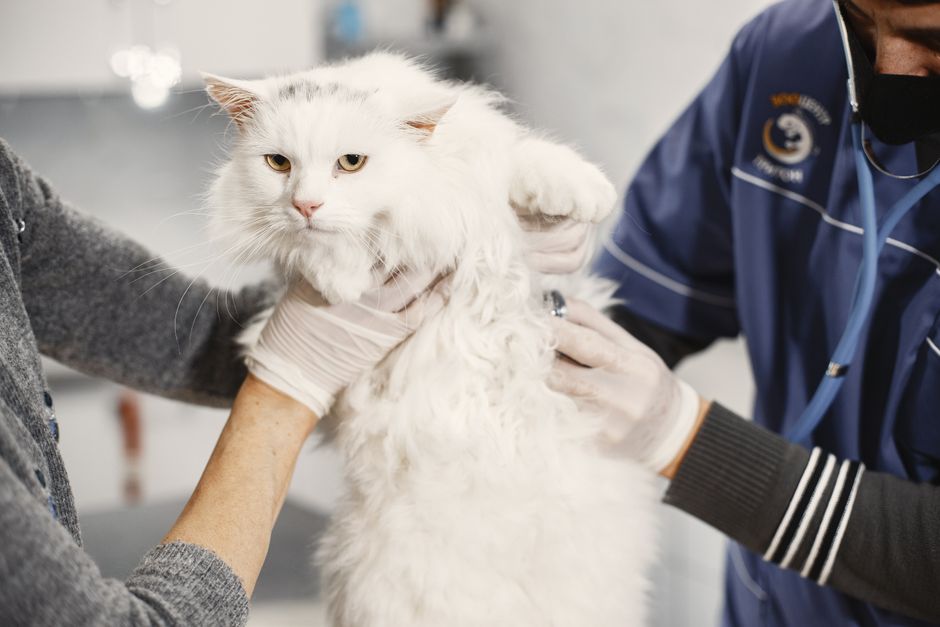
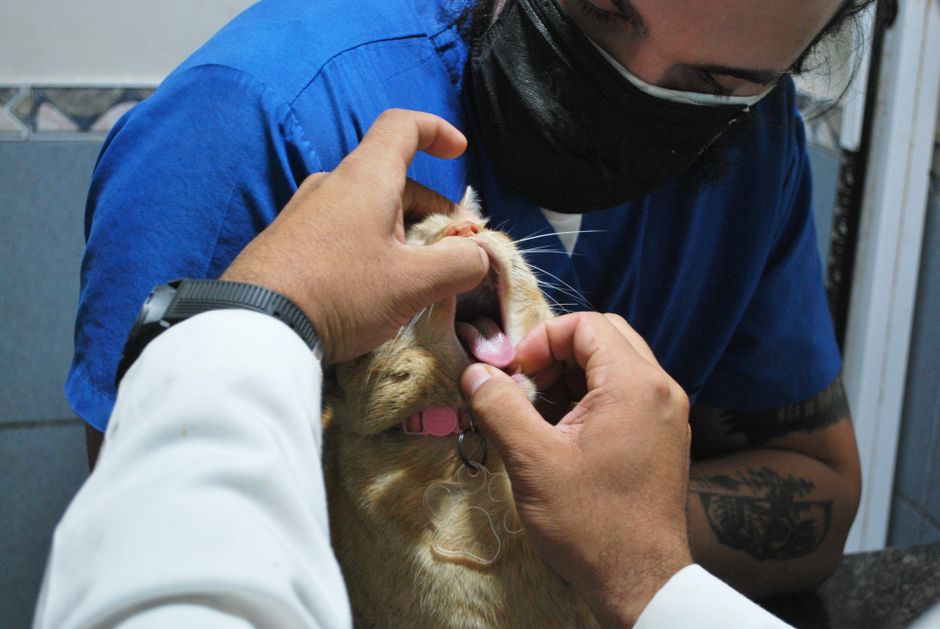
While at-home care is important, professional dental cleanings and evaluations are essential for maintaining your cat’s oral health. During a dental visit at Express Vets North Canton, our veterinary team will start by performing a thorough oral examination, often as part of your cat’s routine wellness exam. This includes assessing each tooth for signs of disease, checking for gum inflammation, and looking for oral masses or other abnormalities.
If a dental cleaning is recommended, it will be performed under anesthesia to ensure your cat’s safety and comfort. Dental procedures typically involve scaling to remove plaque and tartar from the teeth and under the gumline, followed by polishing to smooth the tooth surfaces and minimize future buildup. Our veterinarians may also take dental x-rays to evaluate the health of tooth roots and surrounding bone, as many dental problems occur below the gumline and are not visible during a visual exam.
Should any diseased or damaged teeth be found, extractions may be necessary to prevent ongoing pain and infection. Throughout the process, your cat’s comfort and wellbeing are our top priorities, and we provide detailed aftercare instructions to support a smooth recovery. If your cat is showing signs of illness or discomfort, a sick visit with our veterinary team can address urgent dental issues and provide relief.
At-Home Dental Care: Steps to Protect Your Cat’s Teeth
Maintaining your cat’s dental health is a partnership between you and your veterinarian. At home, there are several effective steps you can take to help prevent dental disease and keep cat teeth healthy. The most powerful tool is regular tooth brushing with a feline-specific toothbrush and toothpaste. Many cats can learn to tolerate, and even enjoy, gentle brushing if you introduce it slowly and positively.
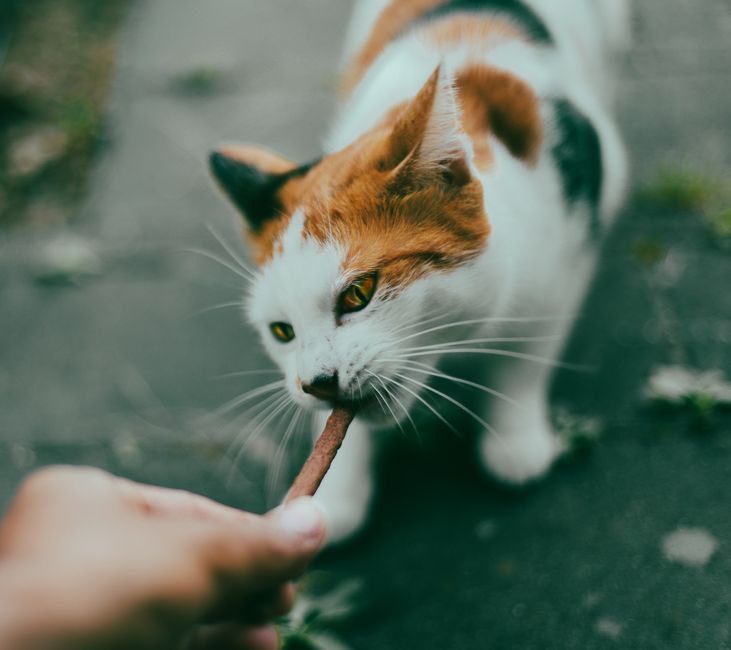
In addition to brushing, offering dental diets or treats that are formulated to reduce plaque buildup can be beneficial. These foods are designed to mechanically clean the teeth as your cat chews, helping to scrape away debris. There are also water additives and oral gels available that can contribute to a cleaner mouth and fresher breath.
It’s important to remember that while these home care methods are helpful, they do not replace the need for professional dental cleanings. Your veterinarian can guide you in selecting the most appropriate products and techniques for your individual cat, taking into account their age, temperament, and overall health status.
When Should You Seek Professional Veterinary Dental Care?
Knowing when to seek veterinary care for your cat’s teeth is essential for preventing discomfort and long-term complications. Any time you notice signs such as persistent bad breath, difficulty eating, drooling, or visible changes in your cat’s mouth, it’s time to schedule an appointment. Even if your cat seems normal, regular dental checkups are a key part of preventive care and should be included in your cat’s annual or biannual wellness examination.
In some cases, dental disease can lead to more serious health problems, including infections that spread to the heart, liver, or kidneys. Prompt attention to dental issues protects not only your cat’s comfort but also their overall wellbeing. If you are ever unsure whether your cat needs dental care, our veterinary professionals are always available to answer your questions and provide guidance tailored to your feline’s needs.
Protecting Cat Teeth for a Lifetime: Our Commitment to Your Cat’s Health
Your cat depends on you for every aspect of their care, and dental health is a vital part of their quality of life. By staying alert to warning signs, practicing at-home oral hygiene, and scheduling regular professional checkups, you can help your cat avoid discomfort and thrive for years to come. At Express Vets North Canton, we are proud to serve Canton and surrounding communities with compassionate, comprehensive veterinary care designed to meet your cat’s unique needs.
If you are searching for a veterinarian near me who understands the importance of cat teeth care, our team is here to help. Whether your cat needs a routine wellness examination, a sick visit for dental discomfort, or guidance on home oral care, we invite you to contact us. Schedule an appointment today by calling (678) 493-5288, or visit us at 149 Reinhardt College Parkway Suite 6, Canton, GA 30114. Together, we can keep your cat’s teeth healthy and support their lifelong comfort and happiness.
This blog is intended for informational purposes only and does not substitute for professional veterinary advice. Always consult your veterinarian for specific concerns about your cat’s health.