Cat Canine Teeth: Why They Matter for Your Pet’s Health
Cat Canine Teeth: Why They Matter for Your Pet’s Health
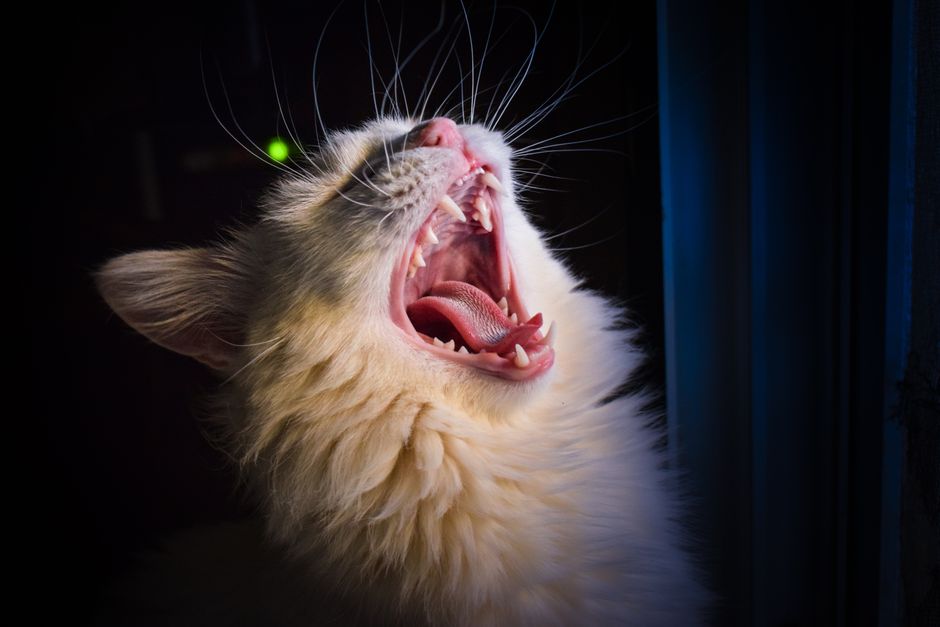
If you have ever watched your cat yawn or play, you have probably noticed those impressive, sharp front teeth—known as canine teeth—standing out among the rest. Cat canine teeth are not just for show; they play a crucial role in your cat’s daily life, comfort, and health. At Express Vets North Canton, located at 149 Reinhardt College Parkway Suite 6, Canton, GA 30114, our team of veterinarians is passionate about helping pet owners understand why these teeth are so important, what problems can arise, and how to keep your cat’s mouth healthy year-round. In this blog, we will explore why cat canine teeth matter, the signs of dental trouble, what causes these issues, and how regular checkups and home care can make all the difference. You will also learn when to schedule a veterinary visit to protect your cat’s smile and quality of life.
Recognizing Problems with Cat Canine Teeth
Most pet owners are familiar with the sight of their cat’s long, pointed canine teeth. These teeth, sometimes called fangs, are designed for grabbing and holding prey, but they also help cats groom, eat, and defend themselves. When something is wrong with your cat’s canine teeth, the signs can be subtle at first but may become more obvious as the problem progresses. Key symptoms that your cat might have an issue with their canine teeth include drooling that was not noticed before, a sudden preference for softer foods, pawing at the mouth, or even a reluctance to eat altogether. Other warning signs are bad breath, bleeding from the mouth, or visible swelling along the gums or face. If your cat stops playing with toys that require biting, or if you notice one of the canine teeth appears longer, shorter, or at an unusual angle, these can be hints that dental trouble is brewing.
It is important to remember that cats are experts at hiding pain or discomfort, so regular observation and gentle checks at home can help you catch problems early. If you notice any changes in your cat’s eating habits, grooming, or behavior involving the mouth, it is time to pay close attention to their cat canine teeth.
What Causes Cat Canine Teeth Issues?
There are several reasons why cat canine teeth may develop problems. Most commonly, dental disease such as gingivitis or periodontitis can lead to inflammation and infection around the tooth. Plaque and tartar buildup are frequent culprits that, if left unchecked, can cause the gums to recede or pockets of infection to form. Tooth resorption is another condition unique to cats in which the body starts to break down the tooth structure, often beginning at the gum line. This process can be very painful and often targets the canine teeth.
Trauma is also a common cause of canine tooth issues in cats; biting on hard objects, falls, or even rough play can lead to fractured teeth. Fractures may expose the tooth’s sensitive inner pulp, paving the way for infection. In older cats or those with certain viral infections, dental problems may be more likely to develop. Additionally, some cats have genetic tendencies toward weaker enamel or abnormal tooth development.
Local climate here in Canton and the surrounding communities can play a role as well. For example, indoor cats may be less likely to fracture teeth, but those who hunt or play outside could be at greater risk for trauma. Dry indoor air during the winter may also contribute to gum irritation, while certain diets can affect tartar buildup. Understanding these factors helps pet owners and veterinarians work together to prevent and manage dental issues.
How Our Veterinary Team Treats Cat Canine Teeth Problems
When your cat develops an issue with their canine teeth, prompt veterinary attention is essential to avoid pain and further complications. At Express Vets North Canton, our veterinary professionals begin with a thorough oral examination, sometimes followed by dental x-rays, to evaluate the health of your cat’s canine teeth and surrounding gums. In many cases, treatment may involve a professional dental cleaning under anesthesia to safely remove tartar and plaque from above and below the gum line.
If your cat’s canine tooth is fractured or infected, options may include extraction or, in some cases, restorative dental work. The approach depends on the severity of the problem and your cat’s overall health. For conditions like tooth resorption, extraction is often the best way to relieve pain and prevent further issues. Our team prioritizes your cat’s comfort and recovery throughout the process, and we will walk you through every step of the treatment plan.
If your cat has stopped eating, is drooling excessively, or you notice sudden changes in their behavior, we encourage you to schedule a sick visit with our veterinary team. Timely attention can mean the difference between a simple cleaning and more advanced treatment.
Preventing Cat Canine Teeth Problems at Home
While some dental issues are unavoidable, many problems with cat canine teeth can be prevented through routine care. Home dental hygiene starts with regular observation—checking your cat’s mouth for redness, swelling, or broken teeth. Offering dental-friendly toys and treats designed to help reduce tartar can also make a difference. If your cat tolerates it, brushing their teeth with a cat-safe toothbrush and toothpaste is one of the most effective ways to prevent plaque buildup. Even gentle handling can help your cat become more comfortable with oral exams.
Nutrition plays a key role in dental health as well. Our veterinarians may recommend specialty diets formulated to support oral health. These diets help reduce tartar and can be especially helpful for cats at higher risk of dental disease. Scheduling regular wellness examinations at our Canton clinic ensures that your cat’s teeth, including those important canines, are professionally checked and cleaned as needed. Preventive care is the cornerstone of a happy, healthy pet.
When to Schedule a Veterinary Visit for Cat Canine Teeth Concerns
Knowing when to seek professional help for cat canine teeth is vital for your pet’s comfort and long-term wellbeing. If you observe any of the following, it is time to call your veterinarian: persistent bad breath, visible swelling or bleeding from the mouth, changes in eating habits, pawing at the mouth, or any tooth that appears damaged or loose. Even if your cat seems comfortable, dental disease can progress quietly and cause significant pain or infection over time.
Do not wait until your cat is clearly struggling; early detection and treatment can prevent complications and make recovery easier. If you are unsure whether your cat’s symptoms are serious, our veterinarians at Express Vets North Canton are always happy to discuss your concerns and recommend next steps. For any urgent symptoms such as difficulty breathing, excessive drooling, or sudden refusal to eat, contact your veterinary team right away.
Protecting Your Cat’s Smile in Canton and Beyond
At Express Vets North Canton, we believe that every cat deserves a healthy mouth and a pain-free life. Cat canine teeth are essential for eating, grooming, and enjoying everyday activities; keeping them healthy is one of the best gifts you can give your feline companion. By watching for early warning signs, practicing good home care, and scheduling regular veterinary visits, you can help your cat maintain a bright, comfortable smile for years to come.
If you have questions about your cat’s teeth or want to schedule a comprehensive pet exam to check your cat canine teeth, our team is here to support you every step of the way. Reach out to Express Vets North Canton at (678) 493-5288 or visit us at 149 Reinhardt College Parkway Suite 6, Canton, GA 30114. When looking for a veterinarian near me, trust our experienced veterinary professionals to provide the care your cat needs in Canton and surrounding communities.
To learn more about preventive oral care and other routine services, explore our wellness examination offerings. Your cat’s health and comfort are always our top priority.
Medical disclaimer: This blog is for informational purposes only and should not be considered a substitute for professional veterinary advice. Always consult your veterinarian with questions or concerns about your pet’s health or before making changes to your cat’s dental care routine.