Cat Canine Teeth: What Owners Should Know

Cat Canine Teeth: What Owners Should Know
If you have ever noticed your cat’s impressive fang-like teeth, you are not alone in wondering about their purpose and how to keep them healthy. Cat canine teeth play an important role in your feline’s daily life, from helping them grasp toys and food to defending themselves if needed. But as striking as those teeth are, they can also be a source of hidden dental problems. At Express Vets North Canton, located at 149 Reinhardt College Parkway Suite 6, Canton, GA 30114, our veterinary team understands how important dental health is to your cat’s wellbeing. In this blog, we will guide you through everything you need to know about cat canine teeth, how to recognize dental issues, what causes them, and how to care for your cat’s mouth at home. We will also share when to schedule a professional dental checkup and how our veterinarians help cats in Canton and surrounding communities keep their smiles in top condition. If you are seeking a comprehensive wellness examination that includes an oral health assessment, our clinic is ready to support your cat’s needs.
Recognizing Problems With Cat Canine Teeth
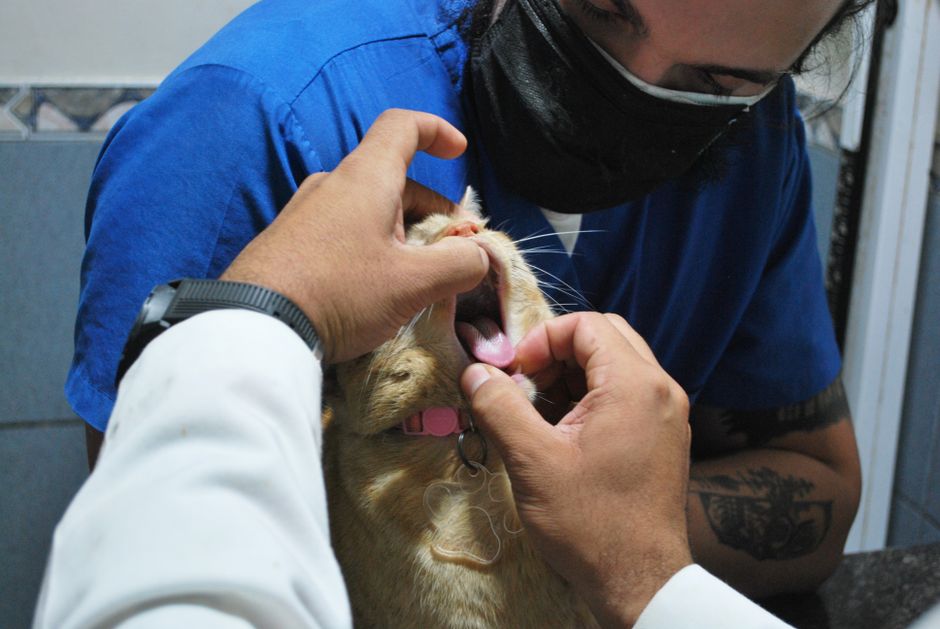
Spotting dental problems early can make a big difference in your cat’s health and comfort. Cat canine teeth are the long, pointed teeth at the front corners of the mouth, sometimes called “fangs.” They are designed to puncture and hold onto prey, but in the home, they are more likely to be used for play or tearing food. When something goes wrong with these teeth, you may notice subtle or obvious changes in your cat’s behavior or appearance.
Common signs of trouble include drooling, pawing at the mouth, or a sudden reluctance to eat hard food. Other symptoms to watch for are swelling around the face, visible redness or bleeding at the gum line, and a lingering bad smell from your cat’s breath. Some cats may become withdrawn or irritable, especially if oral pain is significant. In certain cases, you might see a broken or discolored canine tooth, or even notice the tooth has changed position or seems loose. These signs are not always dramatic, so paying close attention to your cat’s habits—such as chewing on only one side of the mouth or avoiding favorite toys—can provide valuable clues.
If you observe any of these issues, it is important to schedule a veterinary visit promptly. Dental pain can impact your cat’s entire wellbeing, leading to changes in eating habits, weight loss, and even affecting organs like the heart and kidneys if infection is present.
Why Cat Canine Teeth Develop Problems
Understanding why cat canine teeth develop problems starts with recognizing the unique structure and function of these teeth. Unlike the flatter molars at the back of the mouth, canine teeth are anchored deep within the jawbone and are covered by sensitive gum tissue. Several factors can trigger dental issues in this area.
Dental disease is the most frequent culprit, with periodontal disease affecting the gum and bone around the canine teeth. Plaque and tartar buildup harbor bacteria, causing inflammation that can eventually lead to tooth loss. Trauma is another common cause, with rough play, falls, or chewing on hard objects sometimes resulting in fractured or chipped canine teeth. For example, cats that love to bite on hard plastic toys or gnaw on furniture edges may be at higher risk for breakage.
Resorptive lesions, a condition unique to cats, can also affect the canine teeth. In this situation, the body begins to break down the tooth structure from within, causing pain and eventual tooth loss. Genetics may also play a role, as some cats are more predisposed to dental disease or have misaligned teeth that make cleaning more difficult. Additionally, underlying illnesses like feline immunodeficiency virus (FIV) or diabetes can increase the risk of dental problems. Age is another consideration, as older cats are more likely to experience wear, gum recession, or other degenerative changes around the canine teeth.
Professional Treatment for Cat Canine Teeth Issues
When dental issues arise, professional veterinary care is essential for diagnosing and managing the problem effectively. At Express Vets North Canton, our veterinarians begin with a thorough oral examination, which may be part of a routine wellness examination or a specific sick visit if you have noticed changes in your cat’s behavior or appearance. If dental disease is suspected, we may recommend dental X-rays to assess the roots and surrounding bone, as many problems are hidden below the gum line.
Treatment options depend on the underlying issue. If plaque and tartar buildup are the main concern, a professional dental cleaning under anesthesia will remove harmful deposits and allow the veterinary team to treat any inflamed or infected gum tissue. For fractured or resorbed canine teeth, extraction may be necessary to relieve pain and prevent further complications. Our veterinarians use gentle techniques and provide pain management to ensure your cat’s comfort throughout the process.
In some cases, antibiotics or anti-inflammatory medications are prescribed to combat infection or reduce swelling. Ongoing monitoring and follow-up care are also important, as dental problems can recur if underlying causes are not addressed. Whether your cat needs a simple cleaning or more advanced treatment, our veterinary professionals are equipped to provide safe and effective care in Canton and surrounding communities.
Preventing Cat Canine Teeth Problems and At-Home Care
Prevention is always better than cure when it comes to dental health. Fortunately, there are practical steps you can take at home to support your cat’s canine teeth and overall oral hygiene. The most effective approach is incorporating regular tooth brushing into your cat’s routine, using a feline-specific toothbrush and toothpaste. While some cats need time to adjust, starting slowly and using positive reinforcement can make this a stress-free experience.
In addition to brushing, offering dental-friendly treats and toys designed to reduce plaque buildup can be helpful. These products encourage chewing and help clean the teeth naturally. Feeding a balanced diet, especially one recommended by your veterinarian, supports dental and general health. Some specialty diets are formulated to promote oral hygiene by controlling tartar formation.
Regularly inspecting your cat’s mouth at home is another valuable habit. Look for red, swollen gums, changes in tooth color, or any sign of discomfort when your cat is eating or playing. Catching minor issues early allows for timely intervention before more serious problems develop. Scheduling routine wellness examinations with our veterinary team ensures professional cleaning and assessment, which is especially important for adult and senior cats.
Environmental factors also play a role. Cats living indoors in Canton may have different risk factors compared to those with outdoor access, but both benefit from proactive dental care. Our veterinarians can provide guidance on the best at-home practices tailored to your cat’s needs.
When to Schedule a Veterinary Visit for Cat Canine Teeth
Knowing when to seek veterinary help is key to protecting your cat’s oral and overall health. If you notice persistent bad breath, visible swelling, bleeding, or changes in eating habits, it is time to call our clinic. Sudden drooling, pawing at the mouth, or avoidance of favorite foods are also red flags that should not be ignored. Broken, loose, or missing canine teeth warrant prompt attention, as these issues can cause significant pain and lead to infection if left untreated.
Even if your cat seems fine, regular dental evaluations as part of a comprehensive wellness plan can catch potential problems before they become severe. Our veterinarians recommend annual dental checkups for most cats, with more frequent visits for those with a history of dental disease or ongoing health concerns. During these appointments, we assess the cat canine teeth, clean away harmful buildup, and offer personalized advice for ongoing care. Ensuring your pet’s comfort and long-term wellbeing is always our top priority at Express Vets North Canton.
Keeping Cat Canine Teeth Healthy in Canton, GA
Caring for your cat’s canine teeth is a vital part of their overall health and happiness. By watching for early signs of dental trouble, practicing good home care, and scheduling regular checkups with our veterinary professionals, you can help ensure your feline friend enjoys a lifetime of healthy smiles. If you are searching for a veterinarian near me who understands the unique needs of cats in Canton and surrounding communities, Express Vets North Canton is here to help.
To schedule a dental evaluation or wellness examination, give us a call at (678) 493-5288 or visit our clinic at 149 Reinhardt College Parkway Suite 6, Canton, GA 30114. Our veterinary team is dedicated to supporting you with expert advice and compassionate care for all aspects of your cat’s health, including their precious cat canine teeth. For more information on feline dental health, you can explore resources from the American Veterinary Dental College and ask our veterinarians about the best home care strategies during your next visit. Your cat’s comfort, health, and happiness are always our top priority.