Cat Canine Teeth: Signs of Problems and Home Care Tips
Cat Canine Teeth: Signs of Problems and Home Care Tips
If you’ve ever caught a glimpse of your cat’s long, pointed canine teeth, you know how striking—and important—these teeth are to their overall health. Cat canine teeth play a vital role in eating, grooming, and even communication. When something goes wrong with these teeth, it can lead to discomfort, changes in behavior, and even serious health complications. At Express Vets North Canton, our team in Canton, GA is committed to helping pet owners recognize the signs of dental problems and understand how to care for their cat’s canine teeth at home. In this blog, we’ll explain what to watch for, why dental issues develop, how to care for your cat’s teeth between visits, and when it’s time to schedule an appointment for professional help. Whether you live in Canton or the surrounding communities, our goal is to make it easy to keep your cat’s smile healthy and pain-free year-round.
Recognizing Problems with Cat Canine Teeth
Many cat owners might not realize their feline has a dental problem until symptoms become more obvious. Cat canine teeth are those prominent, fang-like teeth at the front corners of your cat’s mouth. These teeth are particularly prone to issues like fractures, resorption, gum disease, and infection. Warning signs that may indicate a problem include drooling more than usual, pawing at the mouth, difficulty eating dry food, or even dropping food while attempting to chew. Additionally, you might notice your cat avoiding play with certain toys, becoming less social, or reacting with discomfort when you touch their face. Bad breath and visible changes to the teeth, such as discoloration or swelling at the gumline, are also clues that something is not right.
In some cases, you may observe blood on your cat’s toys or bedding, or notice your cat tilting its head while eating. These subtle changes can be easy to miss, but they are important indicators that your cat’s canine teeth may need attention. If you observe any of these symptoms, it’s important to take them seriously. Dental pain in cats often results in changes in appetite, weight loss, or even behavioral shifts like increased hiding or irritability.
Why Do Cat Canine Teeth Develop Problems?
Understanding the causes behind cat canine teeth issues can help you prevent them or catch them early. Feline teeth are vulnerable to a variety of problems. Tooth resorption is a common dental disease in cats where the tooth structure breaks down, often affecting the canines. This can be painful and may not be visible without a thorough oral exam. Trauma, such as falls or rough play, can cause fractures or chips, especially in the longer, more exposed canine teeth.
Gum disease, known as periodontal disease, is another frequent culprit. Plaque and tartar buildup along the gumline creates an environment for bacteria to thrive, which can lead to inflammation, infection, and eventual loss of the tooth if untreated. Some cats are genetically predisposed to dental problems, while others may develop issues as a result of chronic viral infections like feline calicivirus or feline immunodeficiency virus (FIV).
A less common but serious issue is abscess formation, which can occur if a tooth is broken or infected. This leads to swelling, pain, and sometimes even a visible lump near the affected tooth. All these conditions underscore the importance of regular dental care and early recognition of symptoms.
Professional Treatment Options for Cat Canine Teeth Issues
When you notice signs of dental trouble, seeking help from a veterinary professional is the most effective way to address the problem. At Express Vets North Canton, our team provides thorough oral examinations as part of every wellness examination. During these visits, we assess the health of your cat’s canine teeth and look for any early signs of disease or injury.
If a problem is identified, treatment options depend on the severity and type of issue. For mild cases of gingivitis or early tartar buildup, a professional dental cleaning under anesthesia may be recommended. This allows us to clean above and below the gumline, removing bacteria and preventing progression to more serious disease.
In cases of tooth resorption or advanced infection, extraction of the affected canine tooth may be necessary to relieve pain and prevent further complications. Our veterinary team will discuss all treatment options with you, ensuring your cat receives the care needed for a comfortable recovery. For cats experiencing acute pain, antibiotics or pain relief medications may be prescribed as part of the treatment plan.
Follow-up visits and monitoring are crucial after any dental procedure. We work with you to create a personalized care routine that helps your cat heal and prevents future dental issues. If your cat comes in for a sick visit, our team will thoroughly evaluate the oral cavity as part of the diagnostic process, especially if dental problems are suspected.
Home Care Strategies for Healthy Cat Canine Teeth
Preventing dental issues at home is one of the best steps you can take to protect your cat’s canine teeth. While professional cleanings are important, daily or weekly home care can make a significant difference. Brushing your cat’s teeth with a feline-safe toothpaste helps reduce plaque and slow tartar buildup. Start by letting your cat get used to having their mouth handled; progress slowly, and use a soft-bristled brush designed for cats.
Dental diets and treats that are formulated to promote oral health can also help keep teeth clean. These products are designed to mechanically clean the teeth as your cat chews, reducing the accumulation of plaque. Additionally, offering toys that stimulate chewing—while avoiding those that are too hard and could cause fractures—can be beneficial.
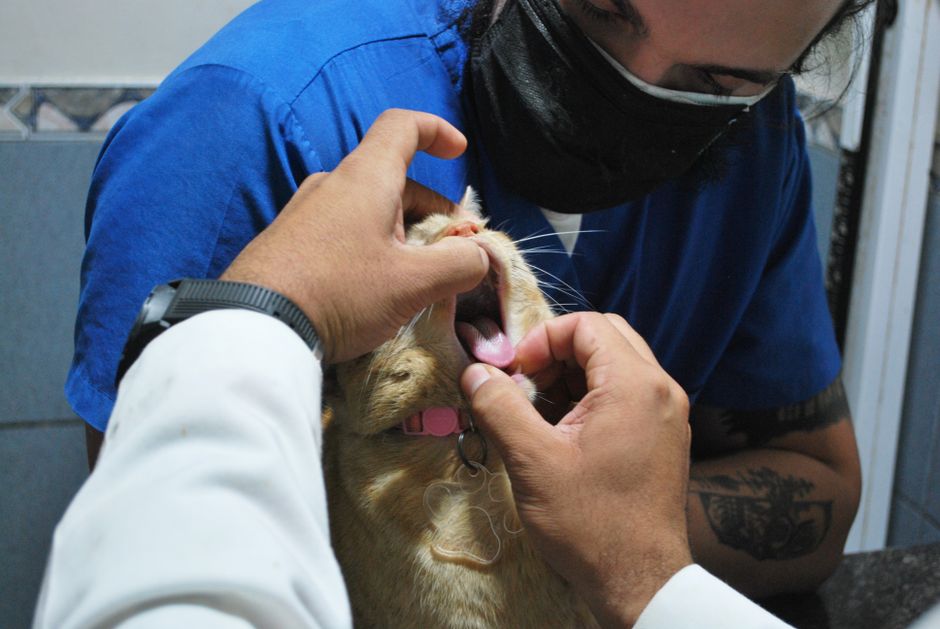
Routine observation is another key aspect of home care. Take a moment each week to gently lift your cat’s lips and examine their canine teeth and gums for redness, swelling, or discoloration. If your cat allows, try to spot any subtle changes in the shape or appearance of the teeth. Remember that cats are experts at hiding discomfort; staying vigilant helps you catch problems before they become severe.
Making dental care part of your regular routine supports your cat’s overall well-being. If you have questions about at-home dental care or need recommendations on products, our veterinary team is always happy to provide guidance during your cat’s primary care visits.
When Should You Schedule a Veterinary Visit?
Knowing when to seek professional help is essential for maintaining your cat’s dental health. If you notice persistent bad breath, drooling, difficulty eating, pawing at the mouth, bleeding from the gums, or visible changes in the canine teeth, it’s time to schedule an appointment. Sudden changes in your cat’s appetite, unexplained weight loss, or signs of pain such as hiding and decreased activity are also signals that a veterinary evaluation is needed.
Even if your cat seems healthy, routine wellness examinations are recommended at least once a year. These visits provide an opportunity for our veterinary professionals to identify early signs of dental disease and intervene before issues progress. Cats with a history of dental problems or certain health conditions may benefit from more frequent check-ups.
Delaying treatment can lead to worsening pain, tooth loss, and the risk of infection spreading to other parts of the body. Early intervention is always the best approach, both for your cat’s comfort and for avoiding more complex procedures later on. Our team at Express Vets North Canton is dedicated to providing prompt, compassionate care for your cat’s dental needs, ensuring they stay happy and healthy in every season.
Supporting Your Cat’s Dental Health in Canton and Beyond
Cat canine teeth play a crucial role in your feline’s daily life, from eating to grooming to expressing themselves. By watching for early signs of trouble, understanding the causes behind dental problems, and practicing good home care, you can make a significant difference in your cat’s comfort and quality of life. Remember, regular visits to your trusted veterinary team are essential for catching issues early and providing the best possible care.
If you have concerns about your cat’s canine teeth, or if it’s time for their next wellness examination, don’t hesitate to reach out. Our team at Express Vets North Canton is committed to supporting the health of cats across Canton and surrounding communities. When searching for a veterinarian near me, choosing a clinic that prioritizes preventive dental care ensures your cat receives the attention they deserve.
To schedule an appointment, call us at (678) 493-5288 or visit our convenient location at 149 Reinhardt College Parkway Suite 6, Canton, GA 30114. Let our veterinary professionals help you keep your cat’s canine teeth healthy and strong for years to come. For more information on our comprehensive services, explore our wellness examination and primary care offerings online.
This blog is for educational purposes only and should not replace professional veterinary advice. If your cat is experiencing symptoms or discomfort, please consult with a veterinarian promptly.